
Micron's NAND Flash Soars 10% in September


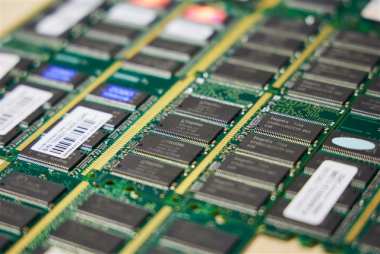
Following the August price adjustment by Samsung, Micron has announced a significant approximately 10% increase in its NAND Flash wafer contract prices, scheduled to take effect from September. This strategic move is anticipated to enhance Micron's financial performance in the latter part of the year.
Analyzing the DRAM sector, industry expert Guo Ming-Chi has identified three key trends that could potentially benefit Micron, with the earliest impact expected in the fourth quarter of 2023 or the first quarter of 2024. These trends encompass the accelerated adoption of DDR5, facilitated by Intel's cutting-edge platform, Meteor Lake, a surge in demand for AI servers driving increased HBM shipments, and the collaboration between prominent brands and processor manufacturers in promoting LLM, thereby favoring upgrades to DDR/LPDDR specifications.
In early August, reports emerged within the industry regarding Samsung's communication with its clientele, indicating an intention to raise the price of 512Gb NAND Flash wafers to $1.60. This move represents an approximate 15% increase from the initial price of $1.40 at the commencement of 2023.
Furthermore, there have been reports of Chinese NAND Flash module manufacturers suspending quotation and order acceptance activities in August, in alignment with Samsung's price increase of 8-10%. This collective industry response is expected to gradually restore NAND Flash prices to levels more closely aligned with production costs.
On September 3rd, a comprehensive report from market research authority, TrendForce, highlighted the recent surge in chip prices within the NAND Flash spot market. This surge can be attributed to the successful increase in wafer contract prices, thereby stimulating heightened inquiry demand for specific product categories.
TrendForce has discerned that this surge in prices is primarily attributable to NAND Flash original manufacturers (OEMs) negotiating new wafer orders with select Chinese module manufacturers in late August. This resulted in a notable 10% increase in the contract price of 512Gb wafers, prompting other OEMs to follow suit by raising prices for comparable products. This shift underscores the willingness of OEMs to refrain from low-price transactions, giving rise to a short-term uptick in the wafer spot market.


