
NVIDIA to Halt GPU VRAM Sales Amid DRAM Shortage


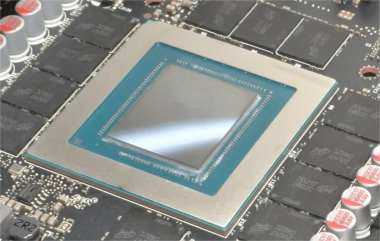
Industry insiders reveal that due to ongoing DRAM shortages and rising memory prices, NVIDIA has stopped selling GPU-linked VRAM to its graphics card partners. This change forces partners to source memory independently to continue producing GPUs.
The move is not entirely surprising, as NVIDIA does not manufacture memory itself—it relies on major DRAM makers like Samsung, SK Hynix, and Micron. Previously, bundling VRAM with GPUs helped partners reduce the cost of separate memory purchases. Now, with bundled sales paused, the DRAM shortage appears to have reached a level even NVIDIA struggles to control.
Large GPU manufacturers can still procure GDDR memory on their own and integrate it following NVIDIA's specifications, keeping their designs consistent. However, securing enough memory at competitive prices is now a critical challenge. Smaller and mid-sized graphics card makers may face even bigger hurdles.
Adding to the pressure, both NVIDIA and AMD are reportedly considering pausing production of entry-level and some mid-range GPUs to prioritize high-end models, where memory costs have the most impact. AMD is also said to have notified partners of plans to raise graphics card prices by more than 10% due to these supply constraints.


