
DIY 48V Electric Bike Controller Teardown


If you're interested in electric bike controllers, you might want to check out this article.
This DIY guide will walk you through disassembling an electric bike controller that works with all-purpose 60/120-degree and sensorless setups, as shown in the pictures below.
Front view
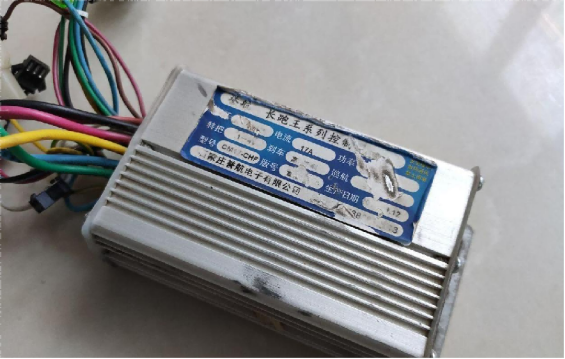
Back view
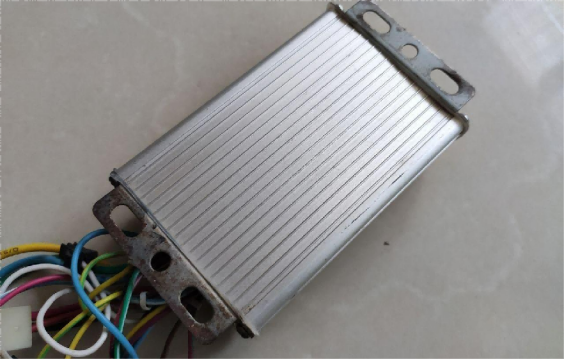
Full view
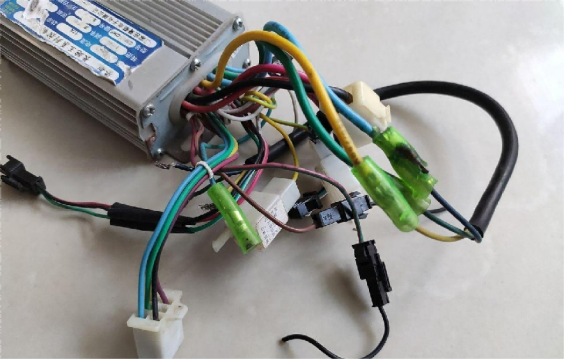
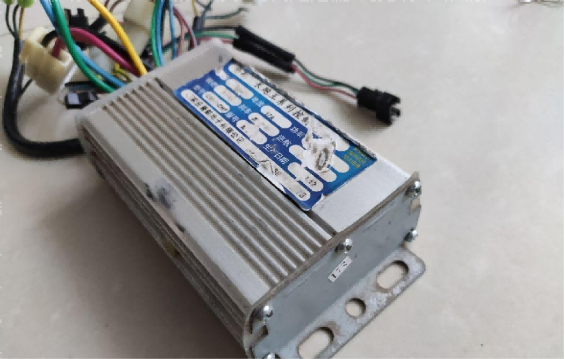
This controller even has some glue on the screws to prevent tampering.
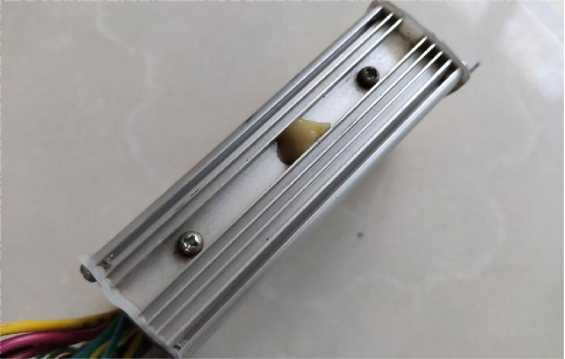
If you want to open it, you'll need to remove the glue here first.
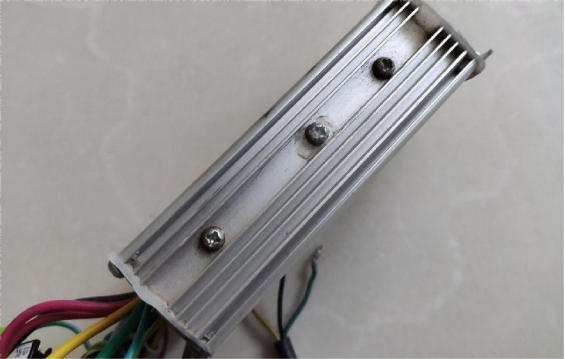
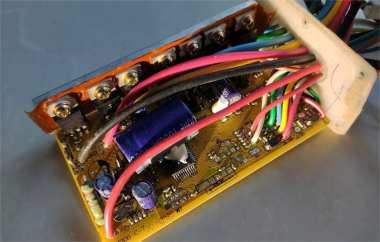
Once opened, you can see the internal structure, as shown in the picture below.
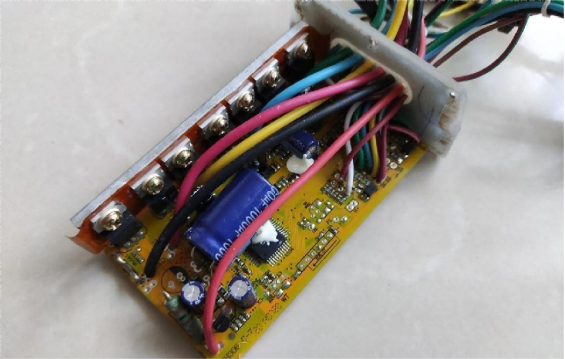
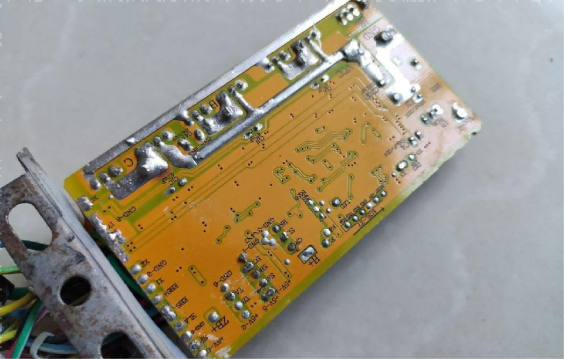
For high current output, copper sheets have been added.
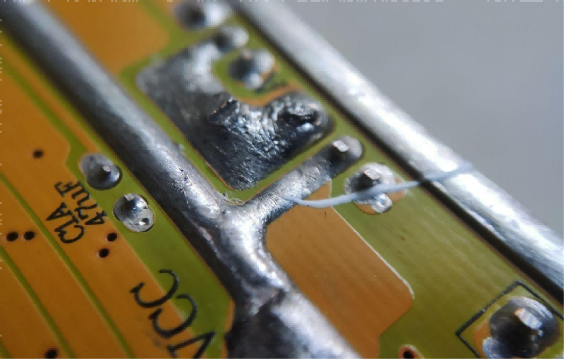
But overall, it doesn't use many components.
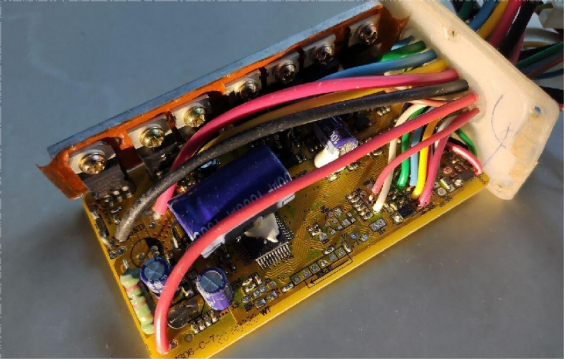
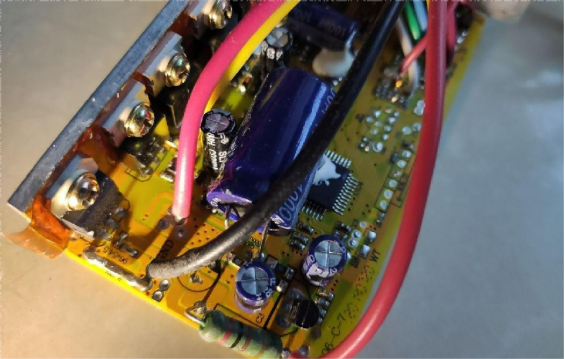
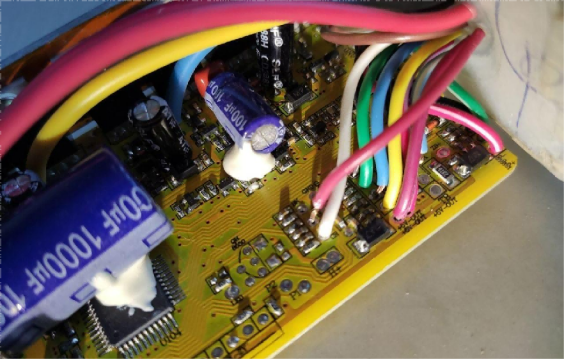
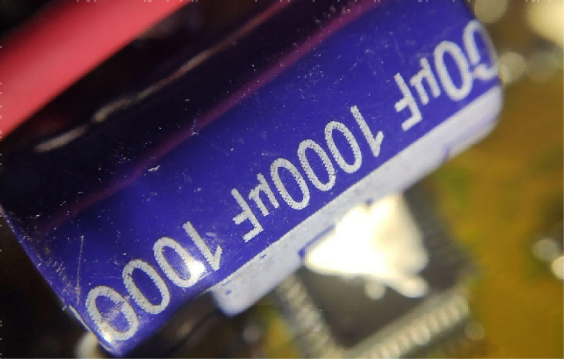
The main capacitor is 63V 1000µF.
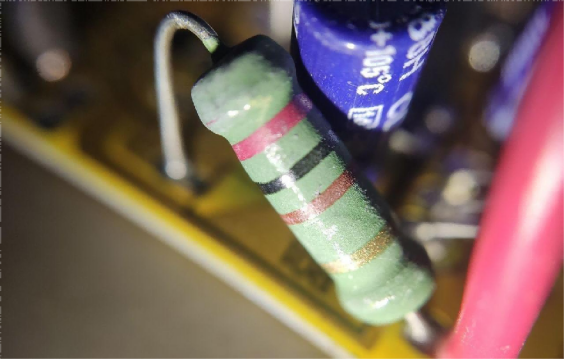
There's a high-power resistor for step-down voltage.
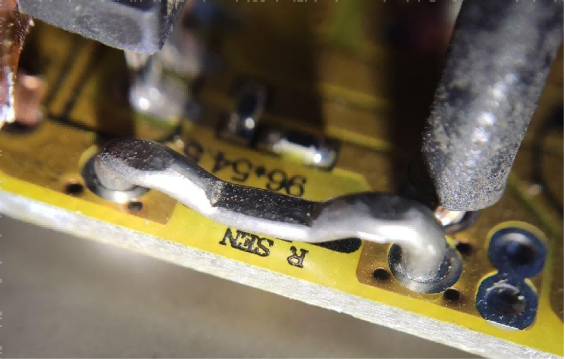
Current sensing is done with a copper wire coil.
The chips used include the 78L05
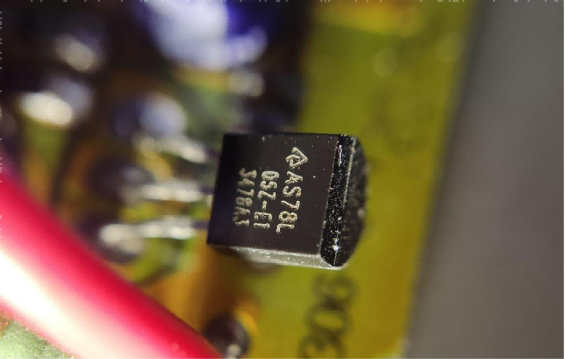
and the LM317.
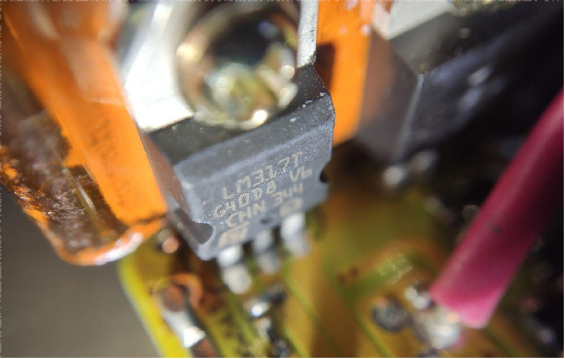
There are also six 48N75 MOSFETs (70V, 68A, 7mΩ internal resistance). They have slightly lower power than the 75N75 but lower resistance, so they heat up less.
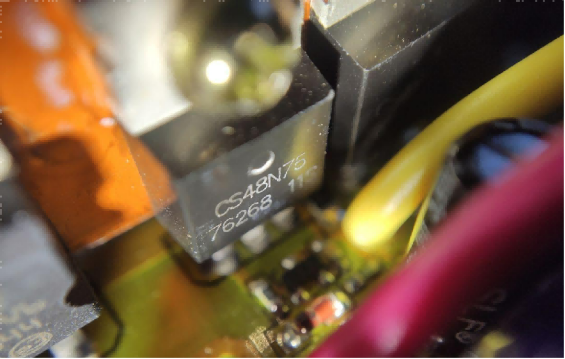
Two larger capacitors are fixed with 704 glue, which helps prevent pins from shorting due to bumps or vibrations.
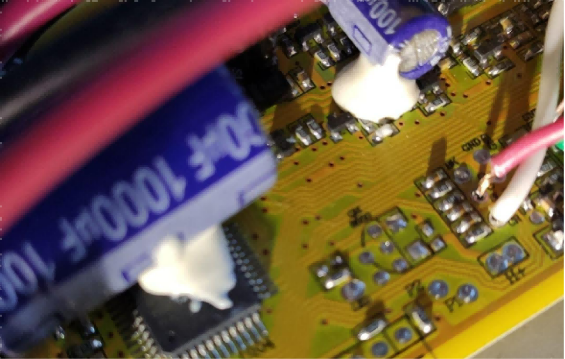
The main control chip is a GPM8F3116A-QL012 microcontroller IC.
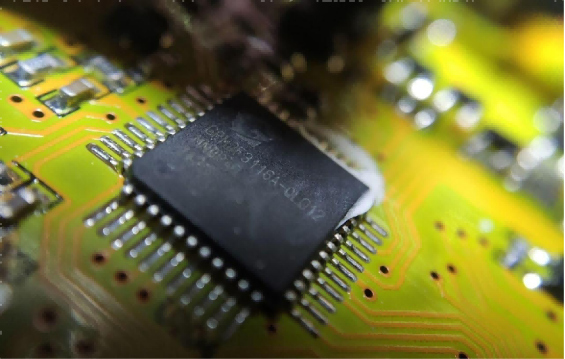
In the picture below, you can see the pull-up resistors and pull-down resistors.
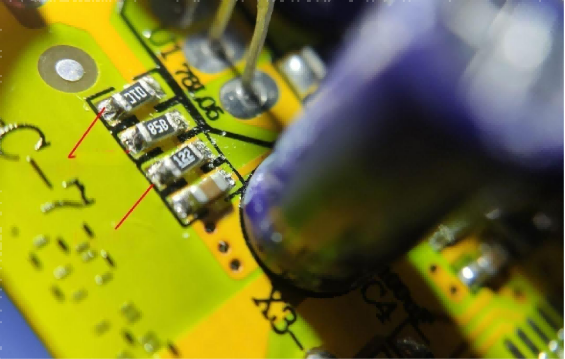
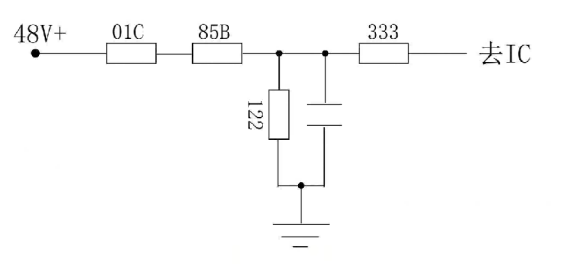
The 48V passes through a pull-up resistor and then through a 333Ω resistor into the IC.
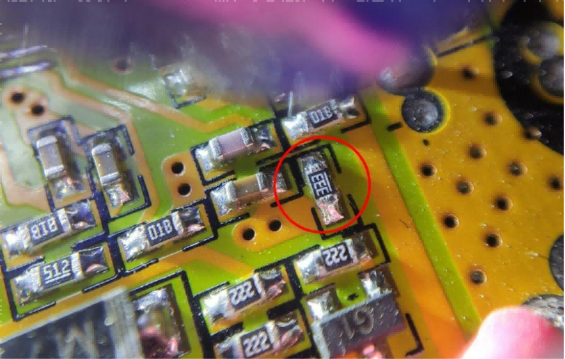
Below is the low-voltage protection circuit diagram. Here, 01C and 85B are likely pull-up resistors, and 122 is probably a pull-down resistor.
That wraps up the disassembly of the electric bike controller. In the next DIY article, we'll show how to modify this controller for low-voltage protection. Stay tuned!


