
DIY 48V E-Bike Controller Low-Voltage Mod


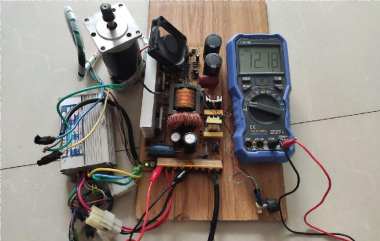
In the previous DIY article, DIY 48V Electric Bike Controller Teardown, we went over how to take apart an electric bike controller. In this DIY article, we'll show you how to modify this controller for lower voltage protection. If you're interested, keep reading.
The appearance and internal structure of the electric bike controller are shown in the images below:
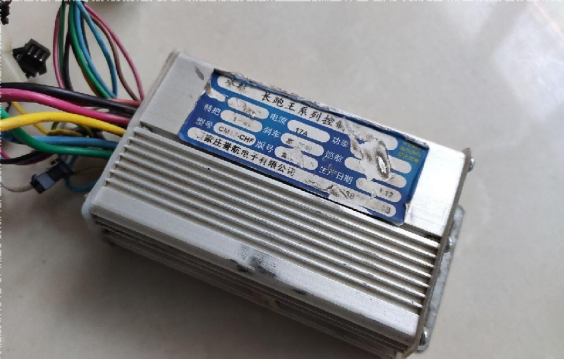
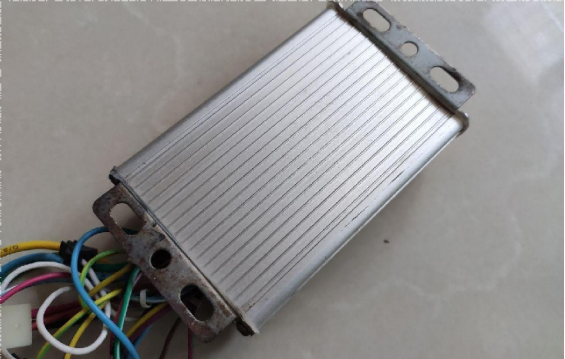
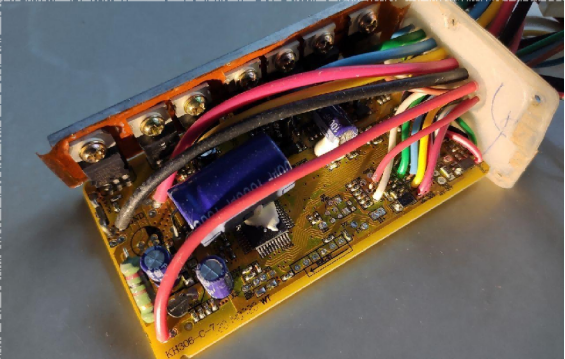
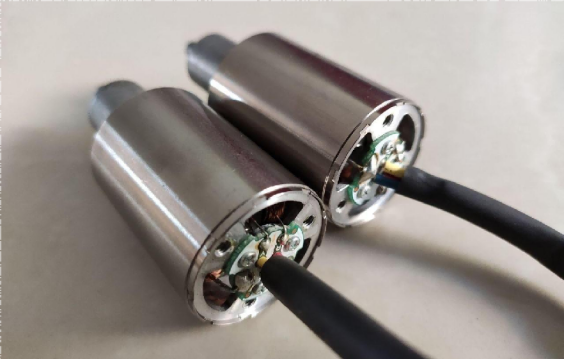
The parts you need to modify are mainly the sections driving these 12V sensorless brushless motors, as shown in the image below:
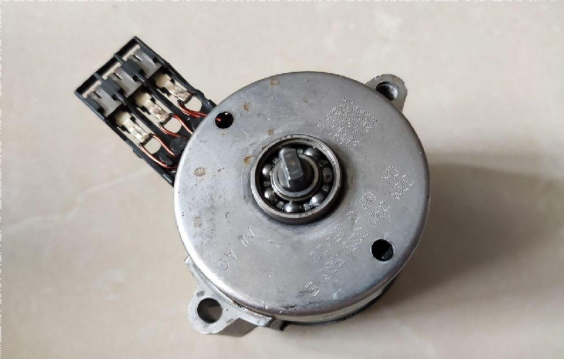
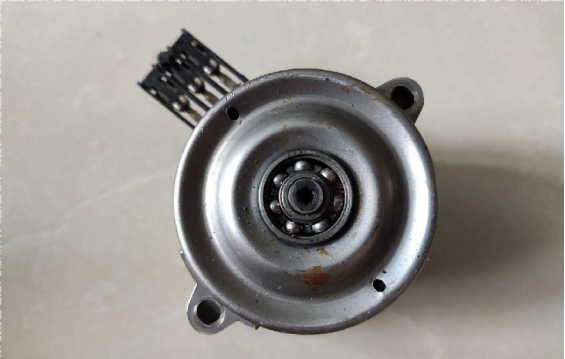
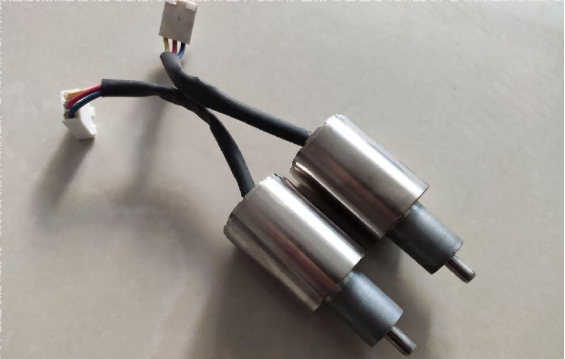
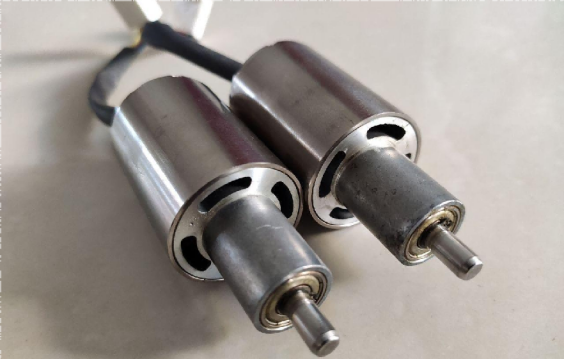
The low-voltage protection section is as follows: the circuit comes in from the ignition lock at 48V and splits into two paths. One path is for low-voltage protection, and the other goes through a high-power resistor to step down the voltage, then passes through an LM317 to a 78L05 to power the IC. (In some controllers, it may go through one or more resistors directly to the 78L05, or through a DC-DC switching power supply.) So the low-voltage protection circuit is actually easy to find. You just need to follow the ignition lock wires. The image below shows the low-voltage protection circuit of this controller, which uses pull-up and pull-down resistor values to control low-voltage protection:
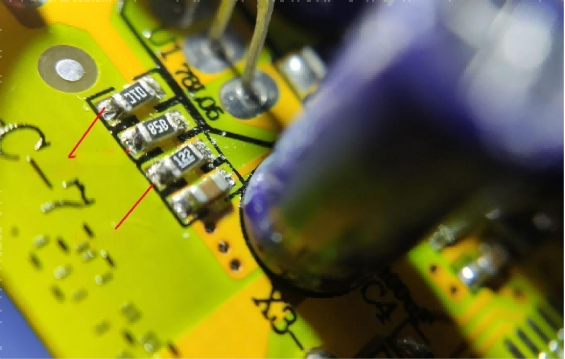
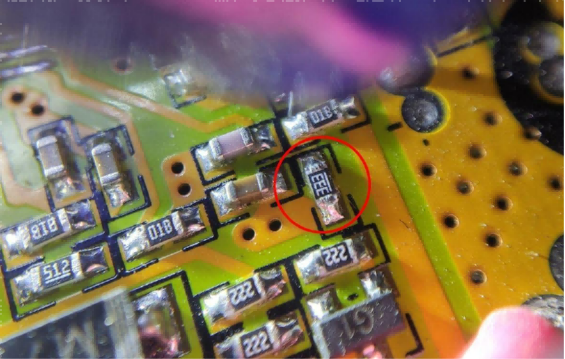
To lower the low-voltage protection threshold, you need to either reduce the pull-up resistor value or increase the pull-down resistor value. If you want to increase the pull-down resistor, you will need to add a series resistor. If the space is too small to add a resistor, you can try reducing the pull-up resistor value instead using a parallel connection, which is more convenient. This controller has two pull-up resistors in series with a total resistance of 17K, so you only need to add a parallel resistor across these two resistors.
If you don't know how to calculate it, you can try adding a 10K resistor in parallel and test it. If the minimum working voltage is around 20V and doesn't meet your expectations, try a 7.5K resistor. If that gives a minimum working voltage of about 16V and still isn't enough, you'll need to try another value. You can experiment gradually.
When the minimum voltage reaches 12.5V, it can only drive sensorless motors. At 12V, sensorless motors can run but not very stably. Above 12V, sensorless motors run fine. When it reaches 12.5V, motors with Hall sensors won’t start. You need above 12.5V to drive Hall motors. Between 12.5V and 13.5V, Hall motors run unstably, and around 13.5V they run normally. After the modification, the smallest motor can work normally at about 20V, but if the voltage goes higher, it may cause vibration and unstable operation.
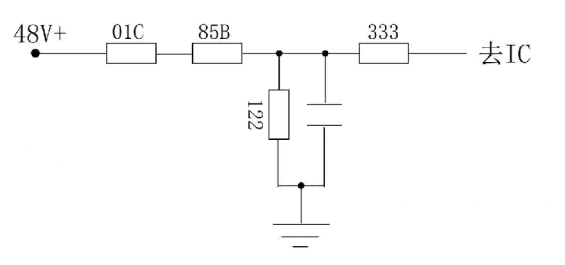
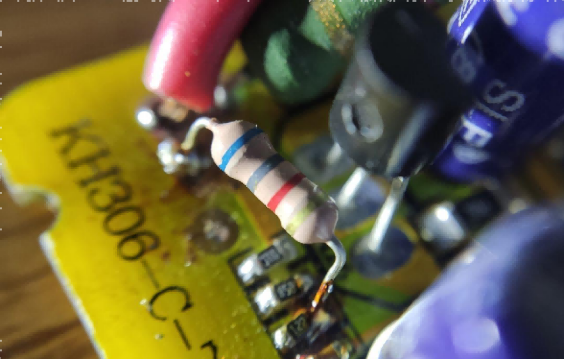
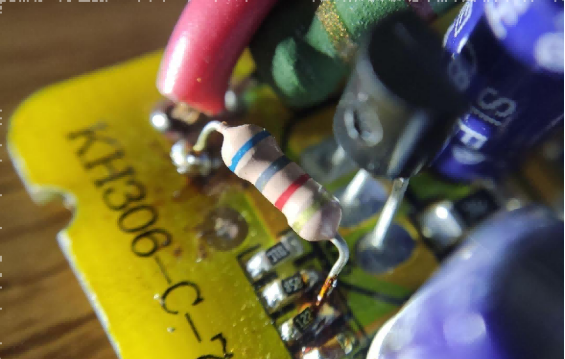
The actual modification is shown in the image below. You need to add a 6.8K resistor in parallel across the two pull-up resistors:
When testing, you can use a 24V Hall motor, because at 12V it cannot drive this motor with the Hall connected.
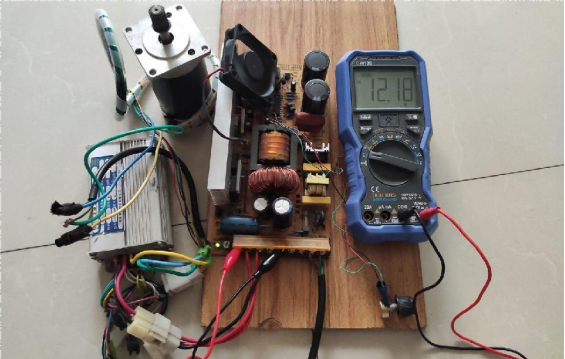
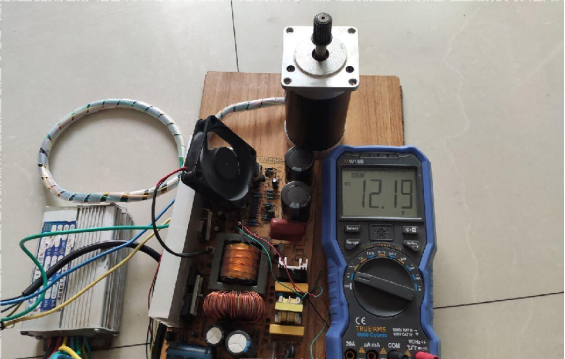
If you disconnect the Hall wires, the motor can run at 11.3V but unstably. You'll get stuttering during acceleration, and it needs above 12V to run steadily.
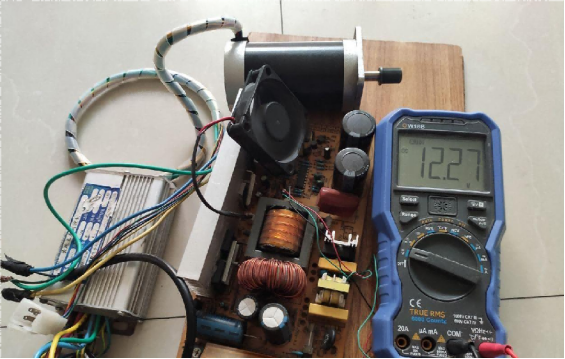
When you connect the Hall wires, you need more than 12.5V to drive the motor, but it will still run unstably.
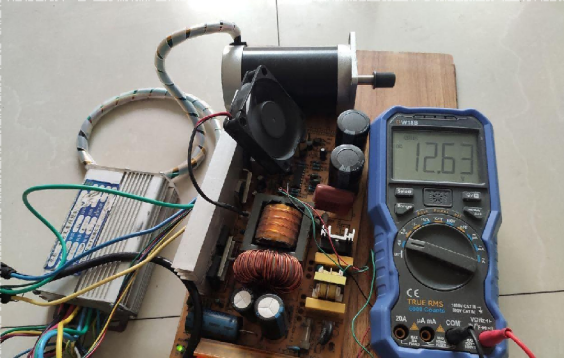
With Hall wires connected, the motor requires above 13V to run stably (both Hall and sensorless motors work fine).
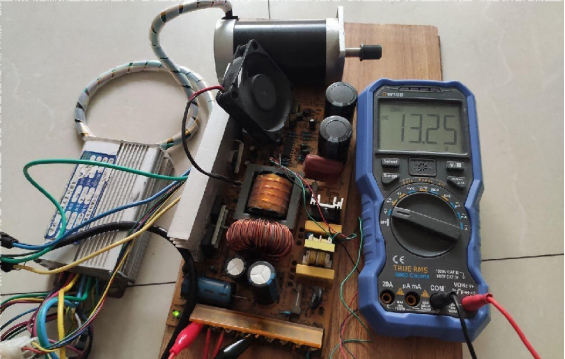
At 18V during testing, everything works fine for both Hall and sensorless motors.
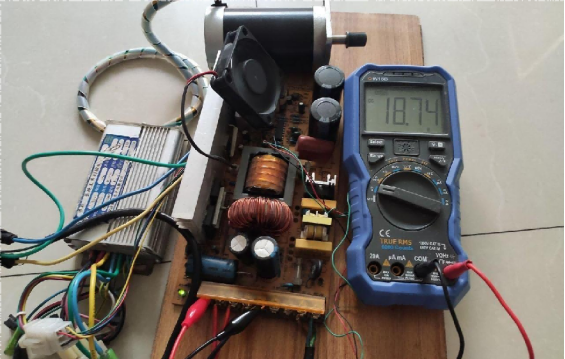
At 24V, both Hall and sensorless motors run normally.
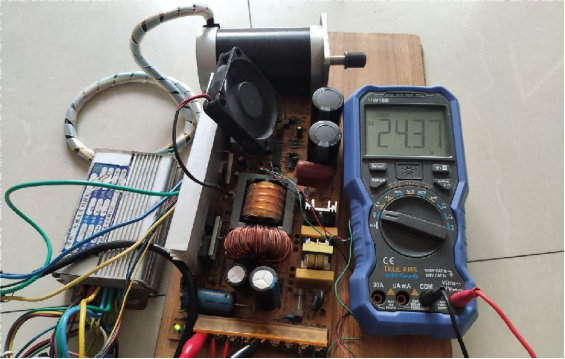
At 36V, both Hall and sensorless motors run normally.
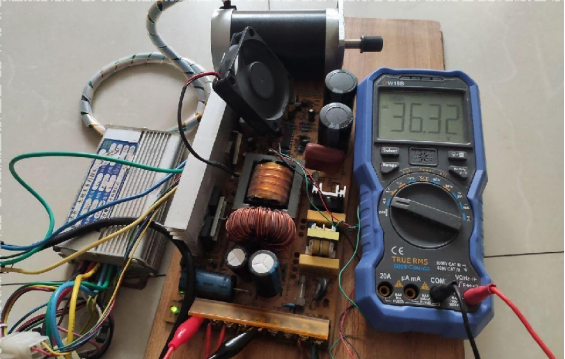
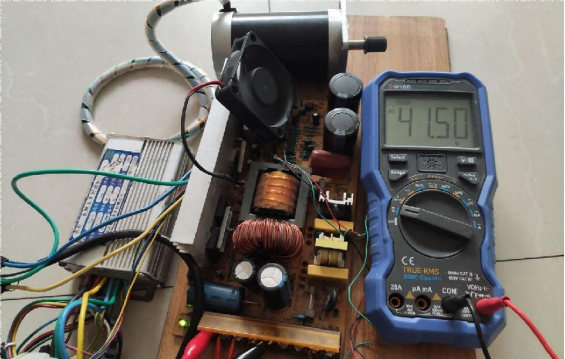
At 42V, both Hall and sensorless motors also run normally. The power supply can only go up to 42V, and under load there is about a 0.5V voltage drop, so it can only run stably under 41V.
End.


