
DIY TP4056 Battery Reverse Protection Guide


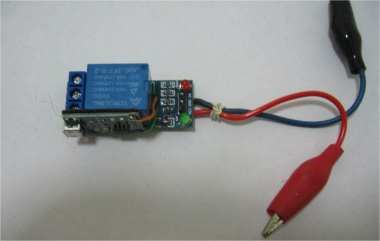
Most electronics DIY enthusiasts are very familiar with the TP4056 module, but many people have a love-hate relationship with it. The love comes from the module being affordable, while the hate comes from the fact that if the battery is connected backward or shorted during charging, it can easily burn out the TP4056.
If you've already burned several 4056 modules, the question arises: is it possible to add a reverse-connection protection circuit to prevent this? If you're interested, take a look at this article. It will show you how to cleverly use a relay module to add reverse-connection protection to a TP4056 charging board.
Common ideas include the following options:
1. Replace the TP4056 with a 4057. The drawback is that the output current is only 500mA, and TP4057 modules are hard to find.
2. Connect a diode in series at the output to prevent reverse connection. The drawback is a 0.3–0.7V voltage drop, which can prevent the battery from fully charging.
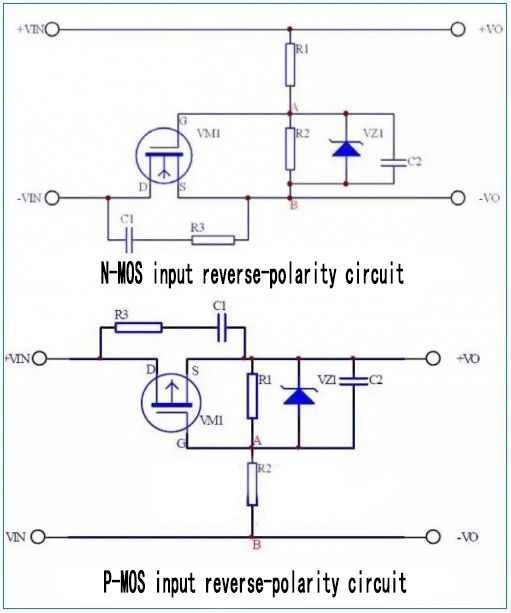
3. Use a MOSFET for reverse-connection protection (a typical circuit is shown in Figure 1). The drawback is that ordinary MOSFET protection circuits are designed for supplying power to devices and preventing battery reverse connection, not for cases where the 4056 charging board output also has power. So, they don't provide proper protection.
Clearly, none of the above solutions are perfect, so you need a different approach to solve this problem.
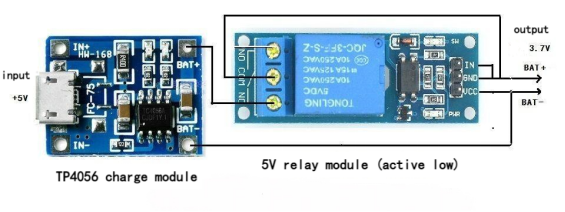
To address this, you can use a relay module you already have to create a reverse-connection protection circuit for the 4056 charging board. Experiments show it works very well, and the cost is low. Of course, you'll need to spend some time testing. Here's an example for experimental reference.
Below is a photo of the 4056 charging board protection circuit:
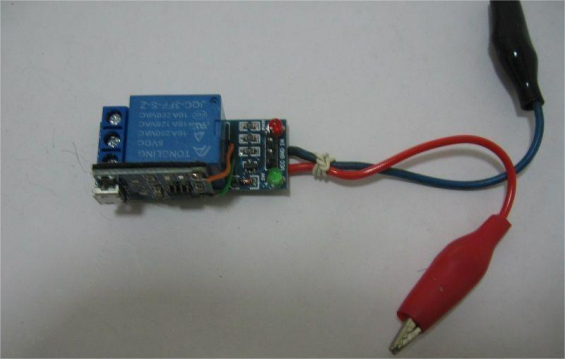
Here are some experimental results:
1. With no power connected, if the battery is connected correctly, the relay is activated, and when power is applied, charging begins.
2. With no power connected, if the battery is connected backward, the relay does not activate, and when power is applied, no charging occurs.
3. During the charging process in scenario 1, if the battery is temporarily disconnected, the relay remains active. Then:
a) If the battery is reversed, the relay immediately cuts off, protecting the charging board.
b) If the battery is connected correctly again, the relay immediately reconnects, and charging resumes.
c) If the battery is disconnected and the output is shorted, the relay immediately cuts off, protecting the charging board.
Through these tests, the circuit withstands both reverse battery connection and short circuits.
Finally, below is the schematic of the 4056 charging board protection circuit:
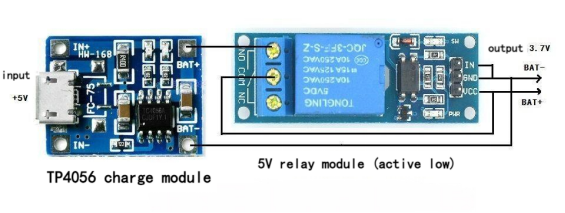
If you find that with this protection circuit, the LED does not turn green when fully charged, you can try a different wiring method, which solves the LED issue.
The feature of this protection circuit is that the relay LED lights only when the battery is reversed, and stays off when the battery is correctly connected—opposite to the original protection circuit.
Here are some experimental results for this version:
1. With no power connected, if the battery is connected correctly, the relay NC (normally closed) terminal is active, and when power is applied, charging begins.
2. With no power connected, if the battery is reversed, the relay NC terminal is inactive, and when power is applied, no charging occurs.
3. During the charging process in scenario 1, if the battery is temporarily disconnected, the relay NC terminal remains active. Then:
a) If the battery is reversed, the relay NC terminal immediately cuts off, protecting the charging board.
b) If the battery is connected correctly again, the relay NC terminal immediately reconnects, and charging resumes.
c) If the battery is disconnected and the output is shorted, the relay NC terminal immediately cuts off, protecting the charging board.
Through testing, this version withstands both reverse battery connection and short circuits, and the LED will turn green when fully charged.
The schematic is shown below:
End


