
DIY High-Voltage Component Tester


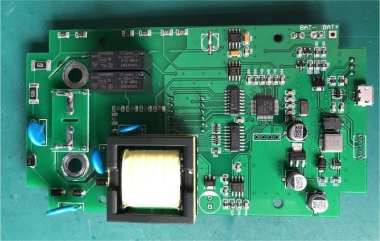
If you’re interested in DIY high-voltage testers, this article is worth a read.
High-voltage testers are usually quite expensive, but they make measuring a component's voltage withstand capacity really convenient. They’re great for checking component quality and are a helpful tool for repairs, so building your own is the best option. Normally, you can only use a multimeter to check whether a component works, but it can't measure voltage withstand values. That's when a high-voltage tester comes in handy.
This DIY tester outputs 2000V high voltage with 1mA current, which is enough for most components. To make it easier to use, you can set a one-key on/off switch, choose between momentary output or continuous output, switch ranges with a relay, and automatically toggle between 200V and 2000V ranges. It also has overcurrent protection and comes with test clips, making it easier to measure two-pin components—just clip them directly.
With this setup, you can measure the voltage withstand values of capacitors, diodes, Zener diodes, varistors, transistors, MOSFETs, Schottky diodes, thyristors, IGBTs, and more.
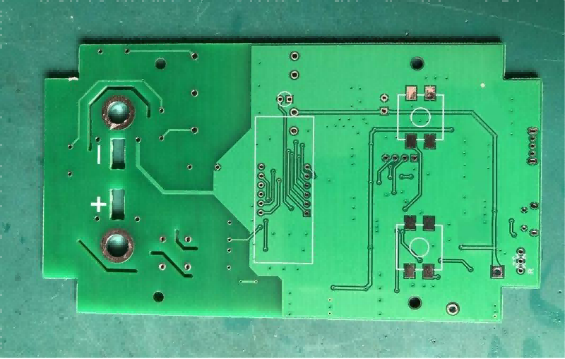
The PCB looks like this:
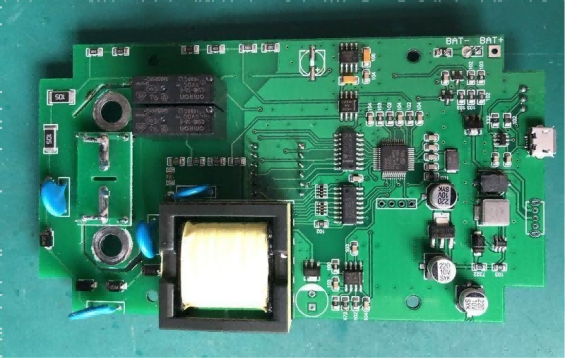
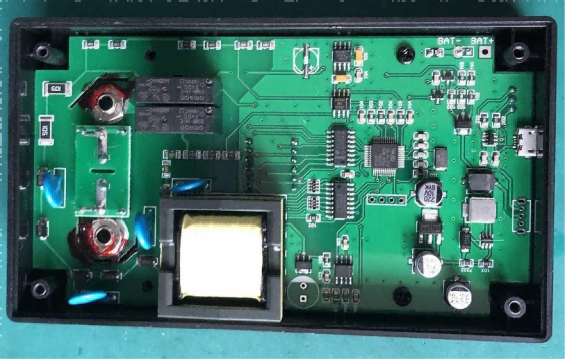
After soldering the components, it looks like this:
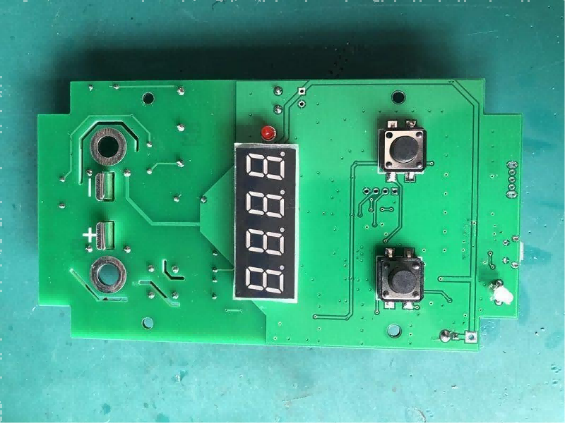
Next, you can make an enclosure and cut openings for the display, buttons, and other parts.
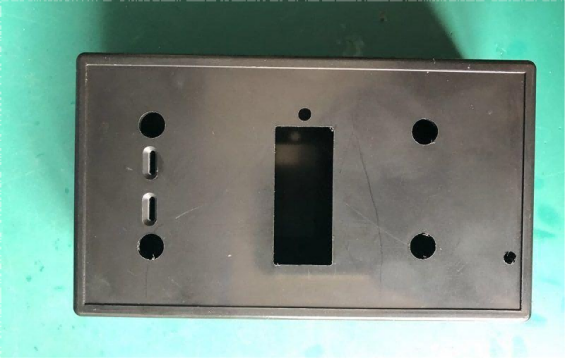
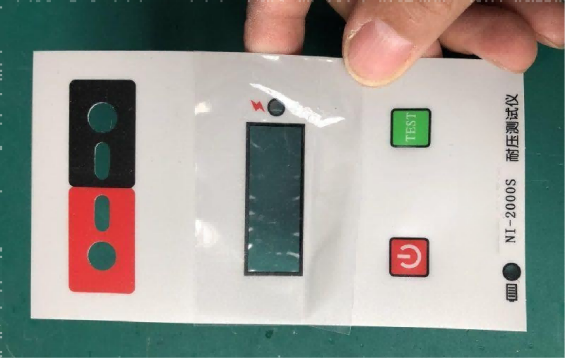
Then prepare some stickers.
The assembled result looks like this:
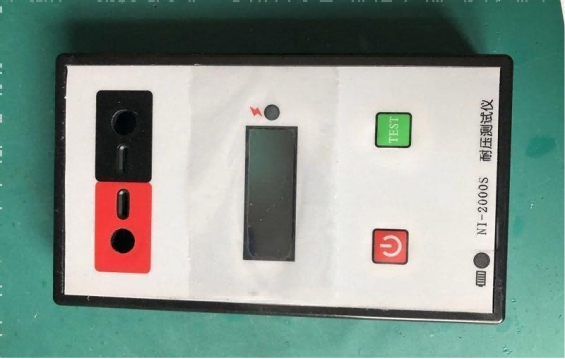
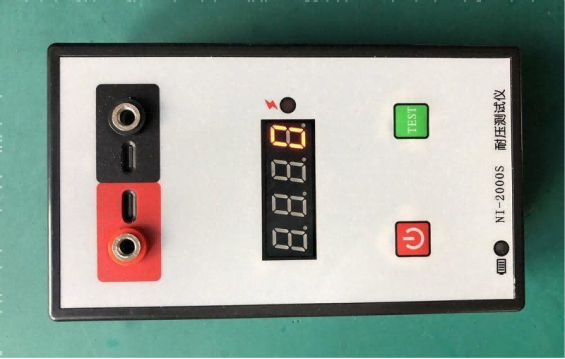
Measuring diode voltage withstand values looks like this:
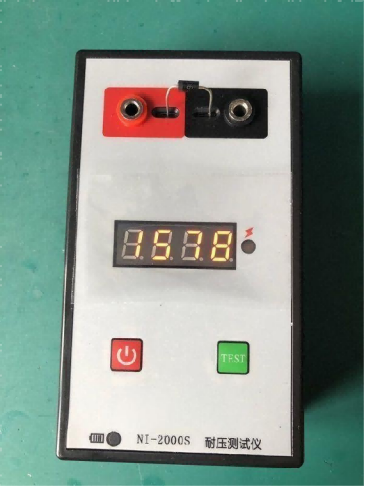
Measuring Zener diode values looks like this:
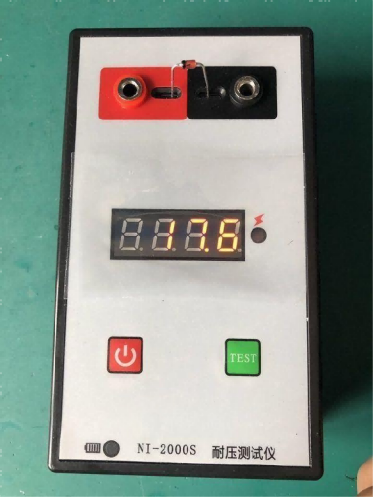
Measuring varistor values looks like this:
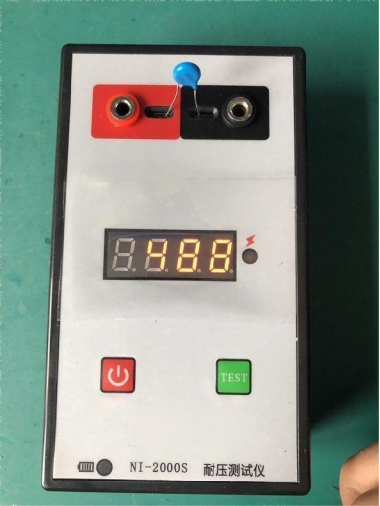
The end.


