
DIY Multimeter Probe Tips & Repair Guide


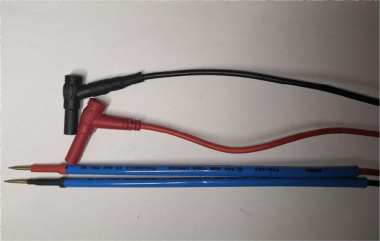
If you use a multimeter often, you know that the probes don't last forever. So what should you do if the red probe breaks and the tip won't come out even if you try to pull it with pliers? If you're interested, check out this article and follow along to DIY your multimeter probe tips.
These types of multimeter probes are very common, as shown in the picture below:
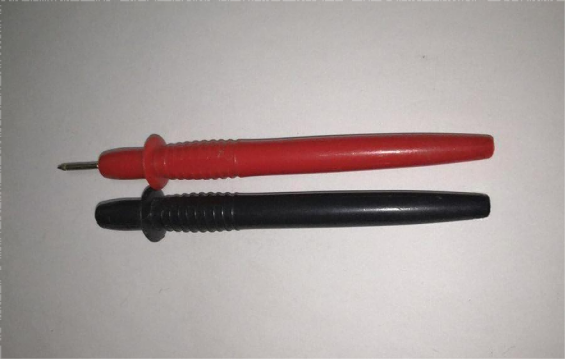
You can use a Φ3.0 copper solder rod to sharpen the tip, and grind away half of the soldered area at the back. This way, after soldering, the thickness will be uniform. Then cover it with heat shrink tubing, add a soft sleeve, and finally put a red or black heat shrink tube on the tip for color marking, as shown below:
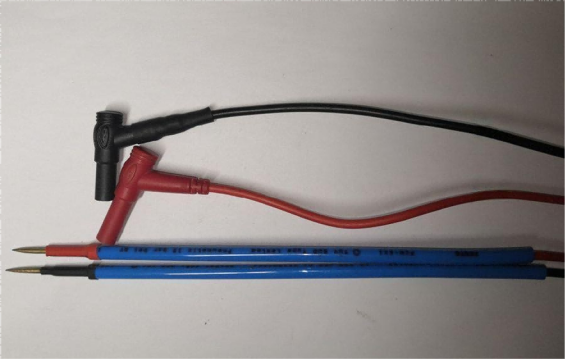
Next, you can measure the internal resistance. For a 1.1m probe, the internal resistance is 73 milliohms:
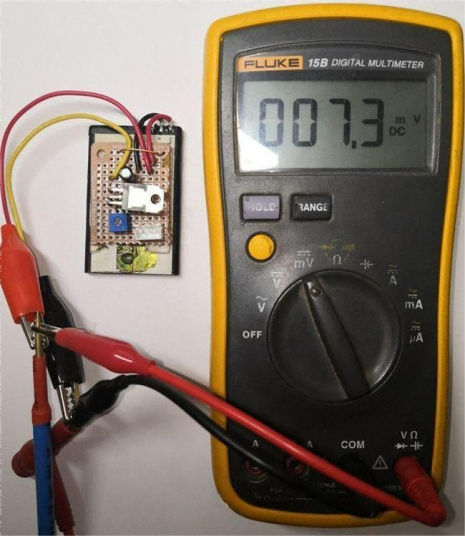
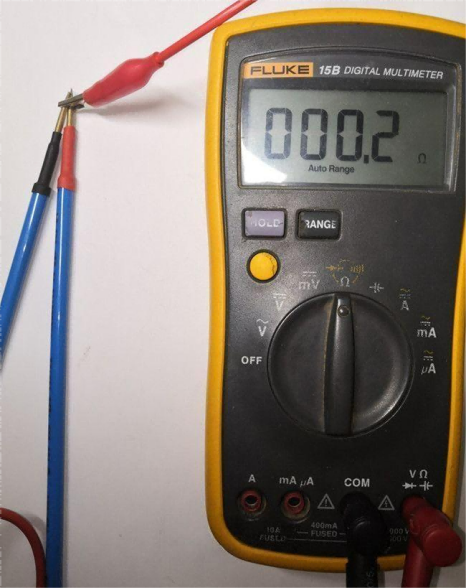
Plug it into the multimeter and short the probes; the reading jumps between 0.1–0.2:
You can also compare it with a pair of Fluke probes. For example, this probe is 1.3m long:
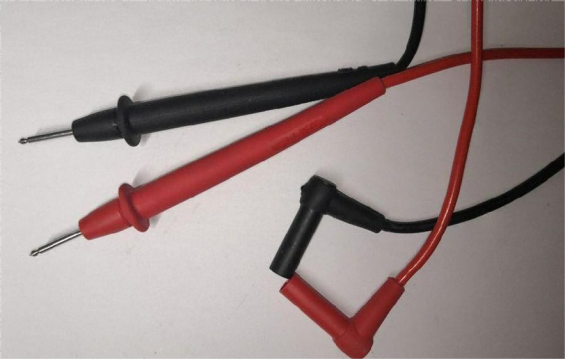
The measured internal resistance is 37 milliohms:
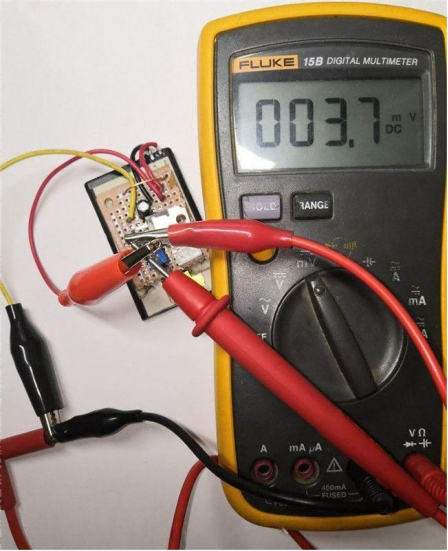
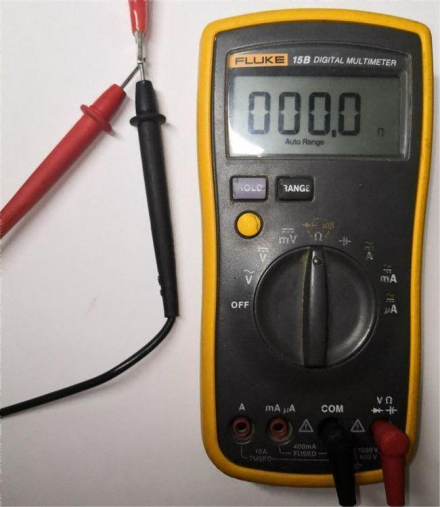
Plug it into the multimeter and short the probes; the display stays at 0 without jumping:
As shown below, another probe is like this, 1.7m long:
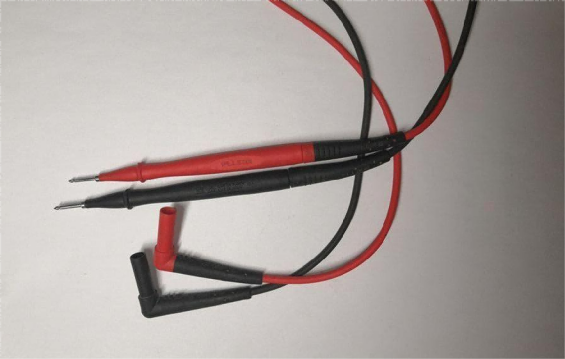
Internal resistance is 57 milliohms, which isn't too high considering the length:
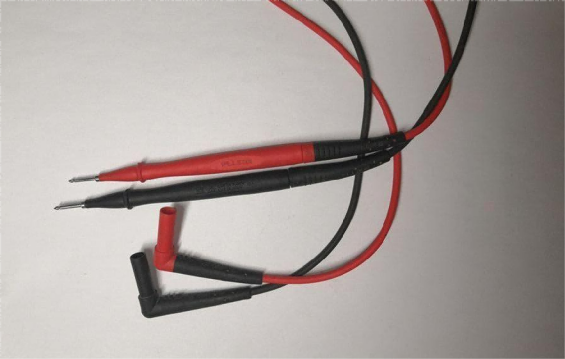
Plug it into the multimeter, and again, it stays at 0 without jumping:
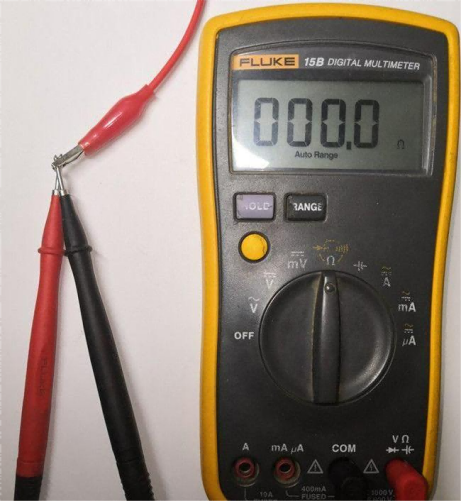
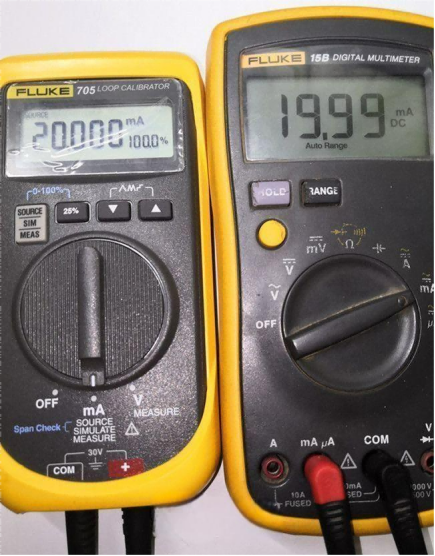
If both ends of the probe cable are male connectors, you can use it like this (on the left is a Fluke 705 loop calibrator. Use it to generate 4mA and 20mA currents to check the milliamp accuracy of the 15B):
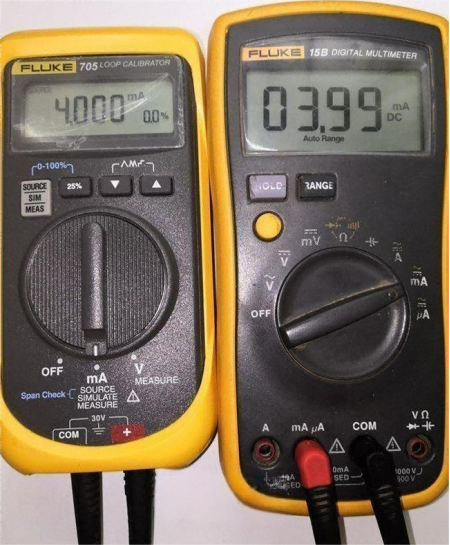
20mA:
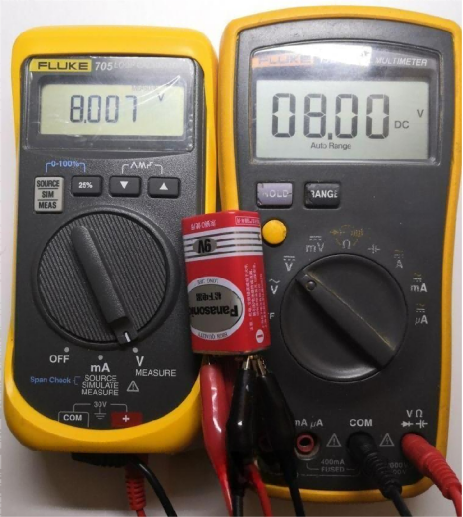
Next, test the battery you removed from the multimeter:
Done


