
DIY High-Capacity Bike Warning Tail Light


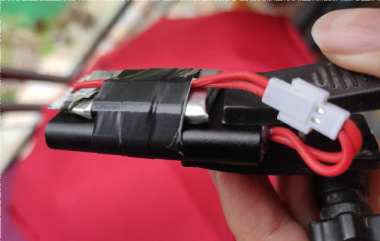
If you're interested in DIY high-capacity bike warning tail lights, you might want to check out this article.
Before starting the DIY, the general idea is like this. If you want to replace the original same-model battery (the soft-pack lithium battery is too thick to fit), because the solar panel isn't very useful and the 2032 battery has limited capacity, the runtime is quite short and needs frequent recharging, plus you’d have to buy a new battery.
If you use an external power supply directly, you'll need to remove the old battery, but nothing else changes. However, you'd have to carry an extra power supply when going out, which is inconvenient and not very practical.
Therefore, you can use a bundled all-in-one battery to perfectly solve the runtime issue. The battery can be a recycled retired battery, all parts are common and don't need to be purchased. You can attach the battery on one side, and place the side with a switch facing up. The appearance may be slightly less elegant, but it's very practical.
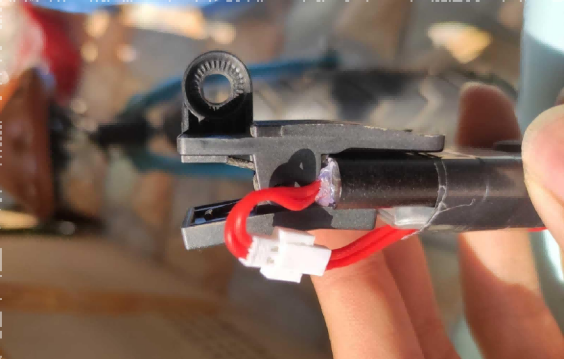
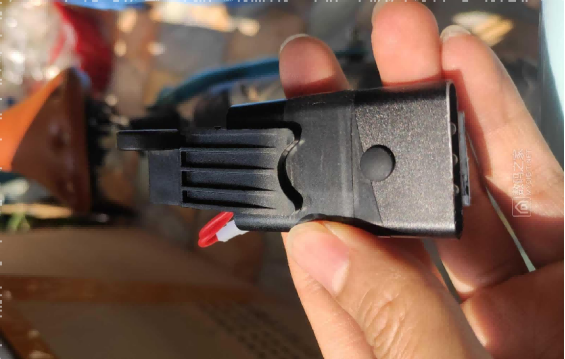
You'll need to prepare the item shown in the picture above; some bikes have it under the seat post.
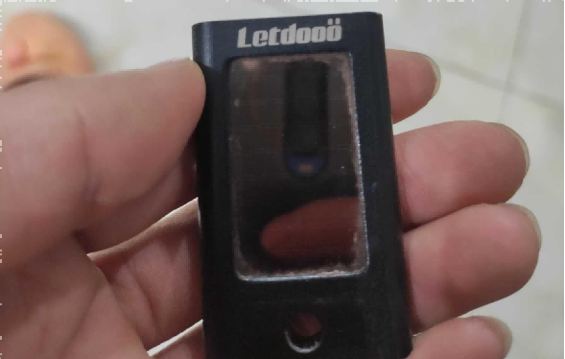
As shown above, the solar charging no longer works, so you'll need to remove the aluminum casing.
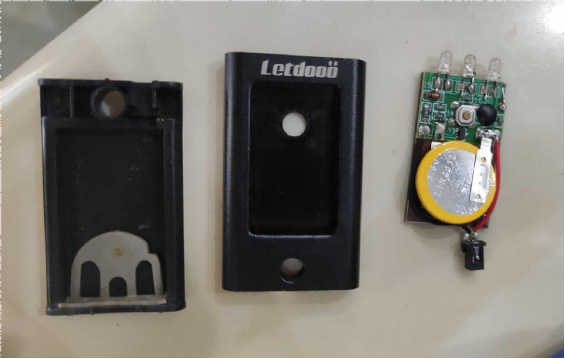
The 2032 rechargeable lithium battery won't recover even with a universal charger. You can test whether the circuit is working properly.
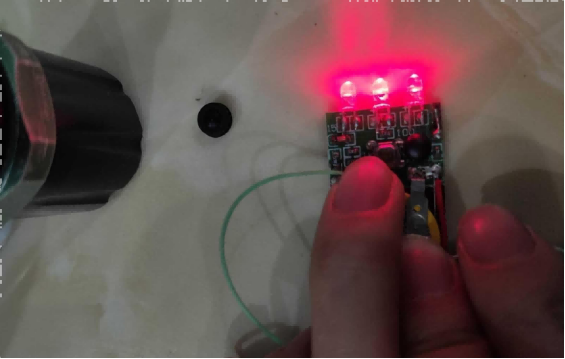
If you think replacing a 2032 lithium battery is too much hassle, and using such a small solar panel under the seat post is more gimmick than practical, then you can just remove the 2032 battery. Lead out a silicone wire from the base, use an air-to-air connector, and in the battery pile, find a high-temperature lithium battery retired from a dashcam to use for the DIY.
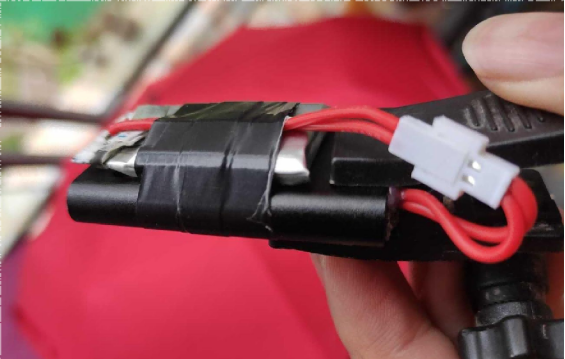
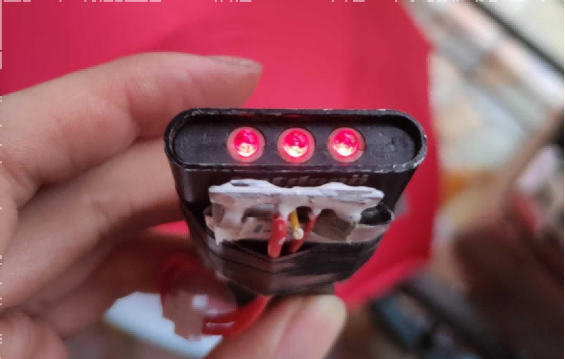
Keep the battery protection board, then you can seal it with 704 silicone, forget about solar charging, and still connect the battery for charging. Considering this power consumption, one full charge could keep it on all day, and one charge could last for about a year.
Done.


