
DIY ATX Power Supply to Adjustable Bench PSU


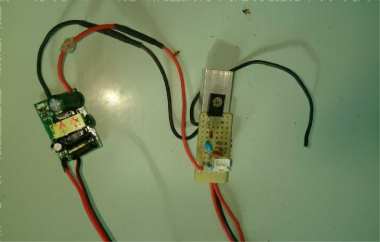
If you're interested in turning a DIY ATX power supply into an adjustable bench power supply, this article is worth a look and should give you some practical ideas to get started.
You'll need to prepare a 12V module first, then modify the TL431 pull-down resistor on the secondary side to raise the output voltage to 19.6V. After that, add an external power input for the ATX power supply and connect a panel meter so you can monitor the voltage and current more easily. The fan is controlled through a simple temperature-control circuit made with a transistor and a Zener diode, which allows the fan speed to adjust automatically as the temperature changes. In addition, you need to pay close attention to the Zener diode voltage and the input voltage, because both directly affect the fan's startup voltage and stable operation.
The circuit diagram is shown in the figure below.
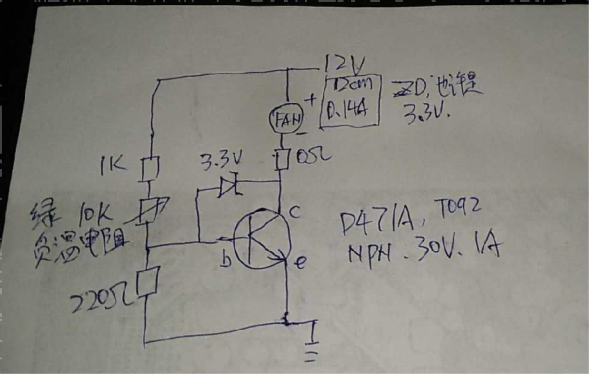
As shown in the circuit diagram above, you can use an 11V Zener diode, so the actual fan voltage will be 19.6 − 11 − 0.7 = 8V. For the transistor, a D882 works well, but you will need to add a heatsink to handle the heat properly. In general, the fan will dissipate about 2 to 2.5W of power during operation. The external power supply for the ATX unit and the panel meter together draw very little current, only around 50–60mA, so they don't place much load on the system.
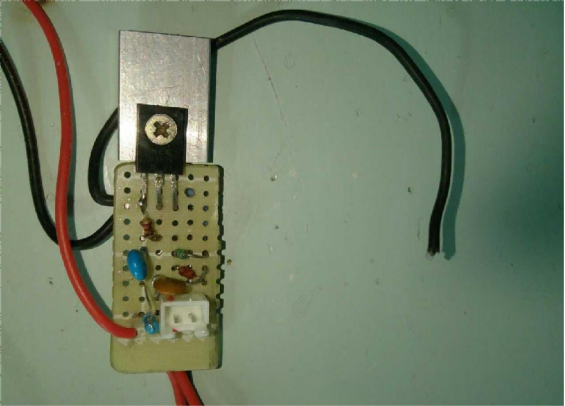
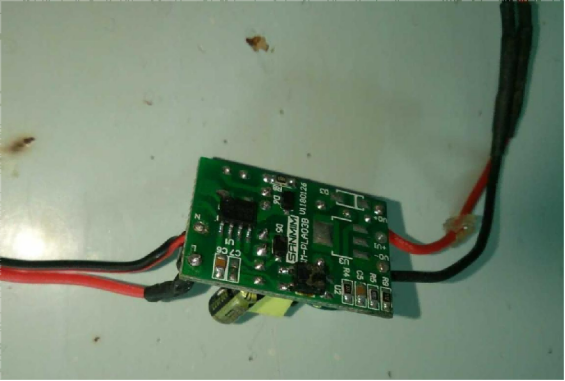
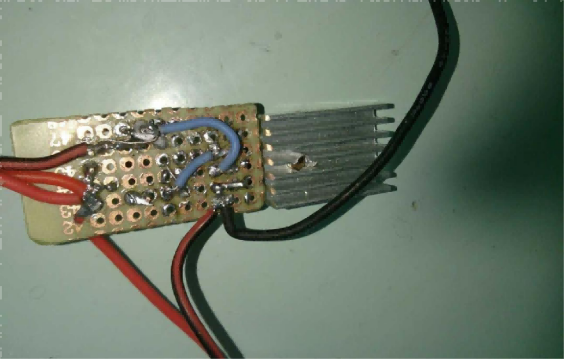
Assemble everything according to the circuit diagram, and after the assembly is complete, the finished setup looks like the figure shown below.
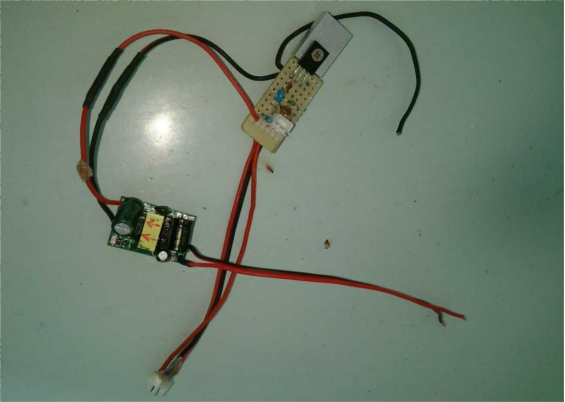
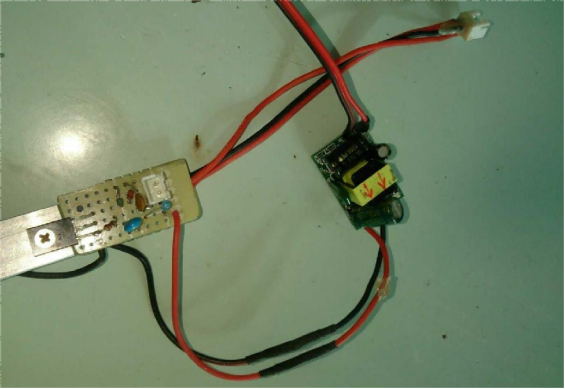
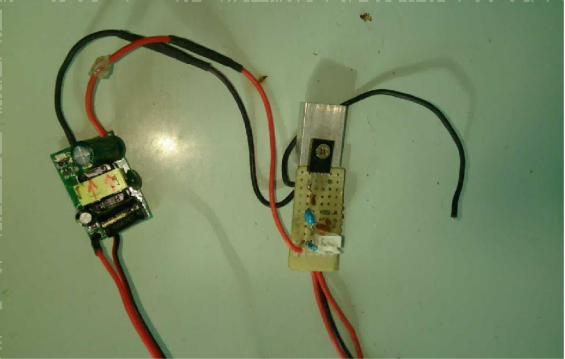
The detailed view of the circuit board is shown in the figure below.
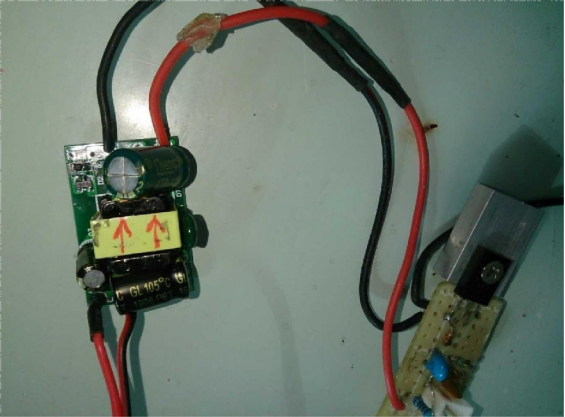
The complete view of the finished build is shown in the figure below.
End.


