
DIY MASTECH MS833D Auto Power-Off Mod


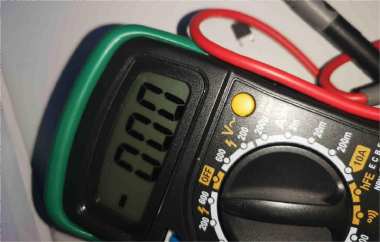
If you're interested in DIY-modding the MASTECH MS833D multimeter to add an auto power-off function, this article is worth a read.
The MASTECH MS833D doesn't have a capacitance range, but it basically has everything else you would expect. It's compact and very convenient to use. However, one drawback is that it does not have auto shut-off, so the 9V battery can easily drain if you forget to turn it off. So what can you do in this situation? You can follow this guide to modify it with an automatic power-off function using an N-channel MOSFET.
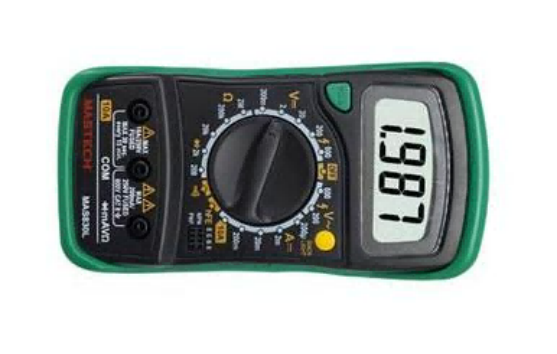
The MASTECH multimeter is shown below and is very compact:
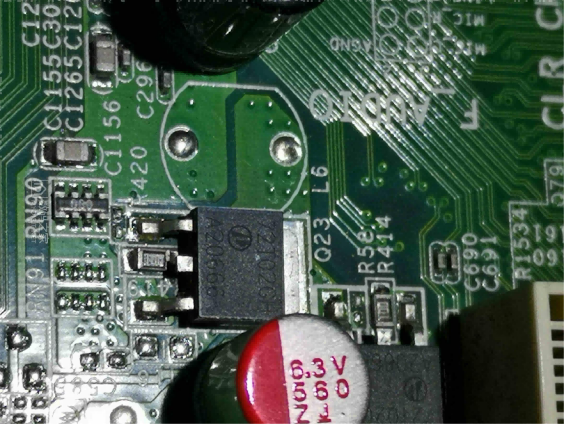
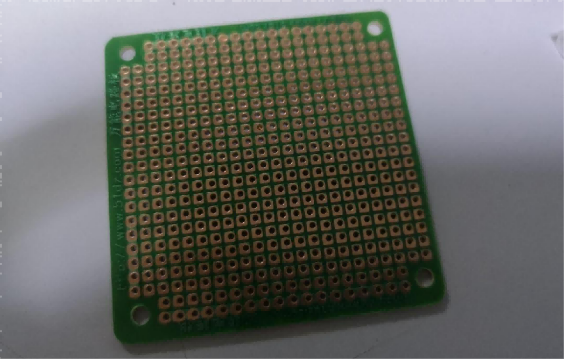
Next, you need to prepare a few components. You can use a 100μF electrolytic capacitor with a voltage rating higher than 9V. You will also need an N-channel MOSFET, model 72T02GH. To reduce the overall size, you can use SMD resistors of 10MΩ and 1kΩ. In addition, prepare a small piece of perfboard.
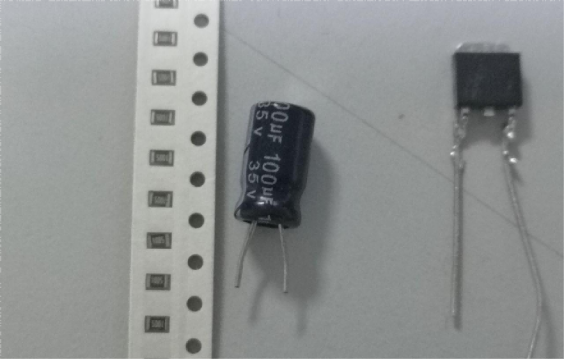
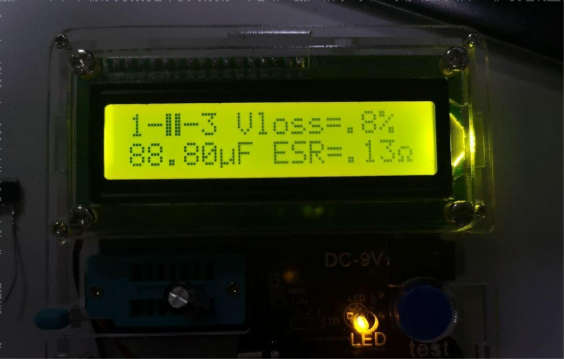
You can first test the electrolytic capacitor to check its condition:
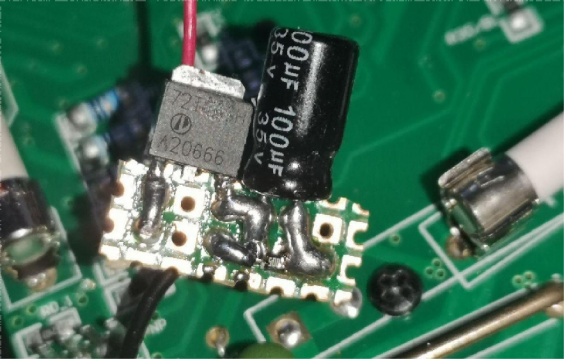
If everything looks fine, you can solder these two components onto the perfboard first:
Next, you need to disassemble the multimeter:
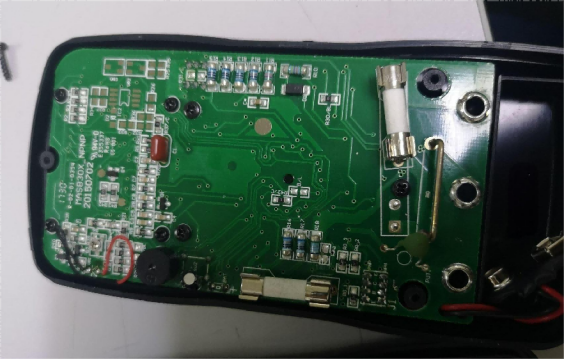
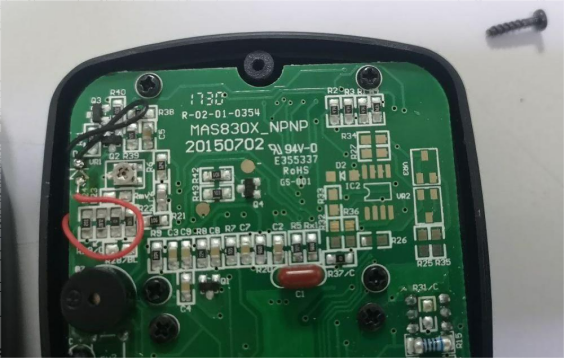
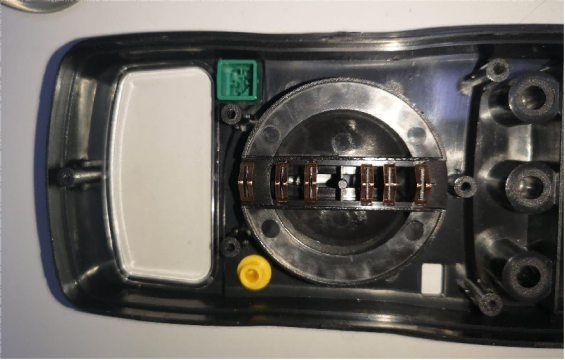
Make a note of the spring position under the rotary switch:
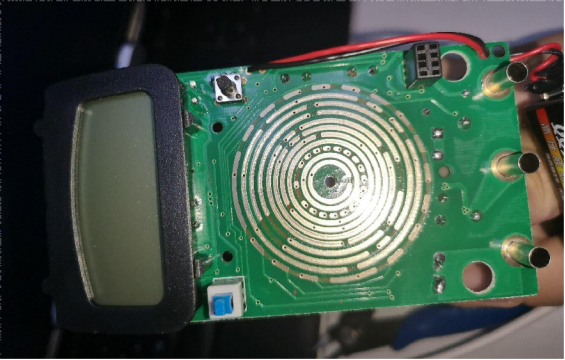
Then you need to modify the latching power switch and convert it into a non-latching push button, which will function as the power-on button. It is fairly easy to open. You just need to use tweezers to pry open the clips on both sides. Be careful, because the internal spring may pop out.

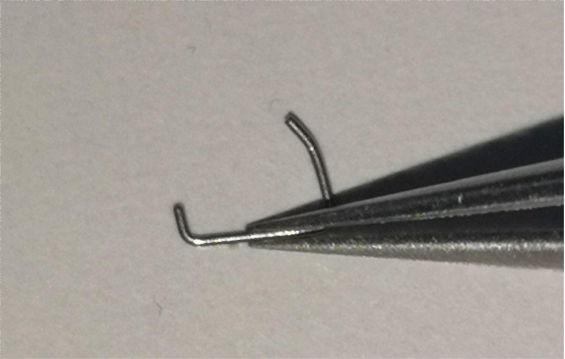
After that, remove the hook piece so it becomes a momentary push button switch:
Next, desolder the latching switch and cut the PCB traces on both sides. You can refer to your own multimeter for the exact layout.
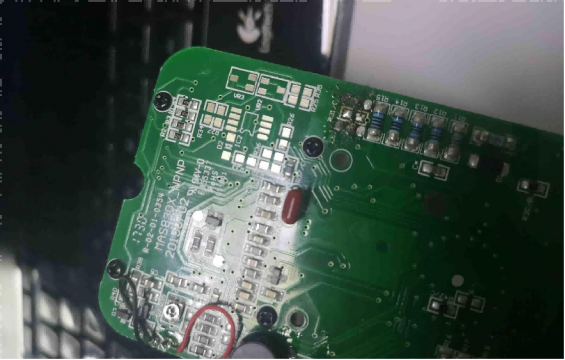
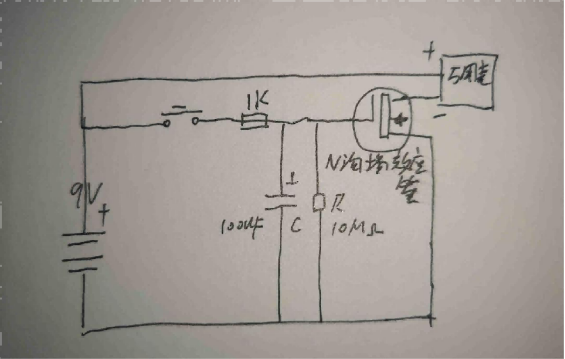
Then disconnect the negative terminal and solder according to the diagram:
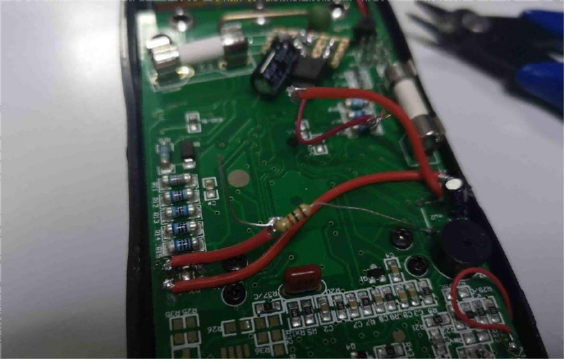
After everything is completed, you can use acetate cloth tape to secure and insulate the added parts:
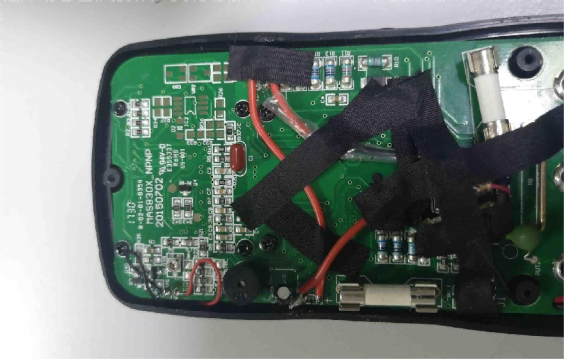
Finally, reassemble the multimeter, and the modification is done.
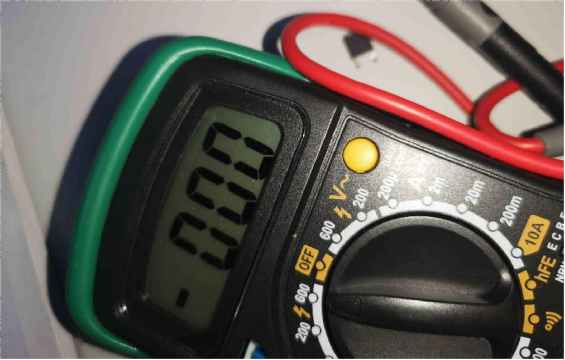
According to actual testing with a 100μF capacitor and a 10MΩ resistor, the standby time is about 30 minutes. Increasing the capacitor value will extend the time, and increasing the resistor value will also extend the time.
Below is the schematic diagram, with an additional 1kΩ resistor added in this version:
End.


