
DIY FP6296 Boost Converter: 3V–12V Step-Up Board


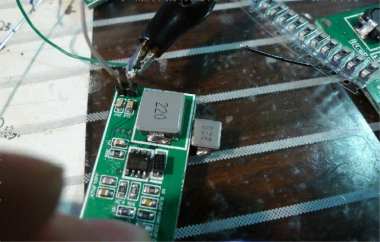
If you're interested in DIYing an FP6296 boost converter circuit, this article is worth a look.
You'll need to make three different boards in total: an LED dimmable constant-current driver, a 3V-to-12V boost converter board, and a fast-charging board.
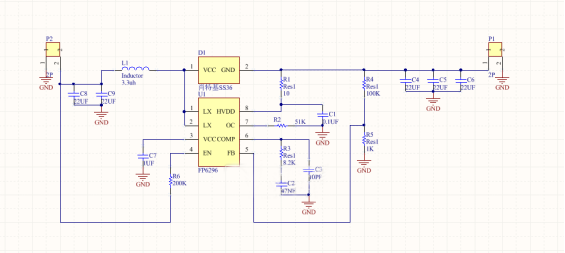
For the boost converter board, you can use the FP6296 boost IC, which allows you to set overcurrent protection up to 10A. The chip's efficiency isn't particularly high—only a little over 80%. According to the reference circuit provided by the manufacturer, it can boost the output up to about 13V, with an input voltage range of 2.7V–12V.
It can be used in applications such as 2-series lithium battery packs delivering 12V at around 1.5A. If you try boosting 3V up to 12V, the output current becomes too large, making the design inefficient and not worthwhile.
The schematic is shown below.
Next, you can design the PCB according to the schematic.
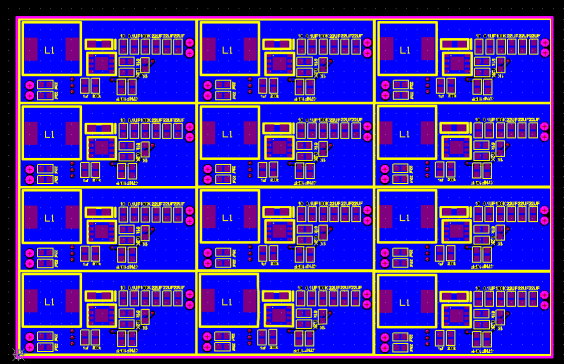
Please ignore the mistake in the image below.
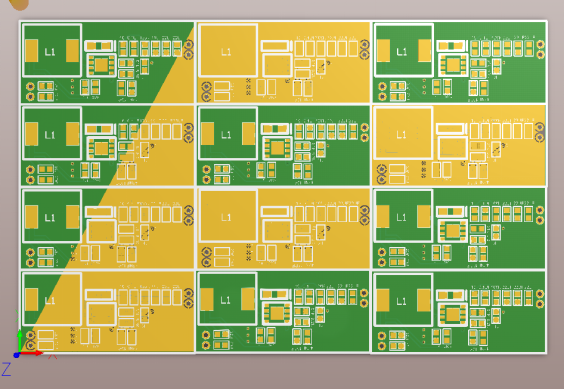
After that, you can panelize the boards. Arranging 12 small boards on one panel is more than sufficient. The image below shows the finished boards.
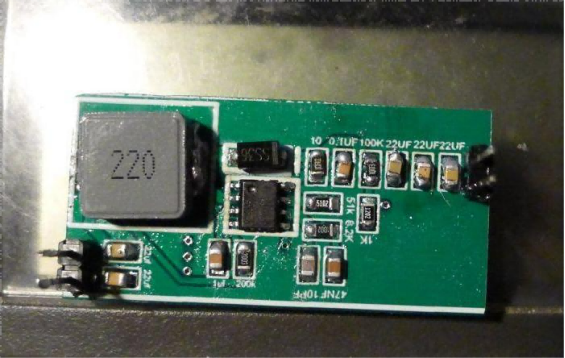
Then you need to separate the boards.
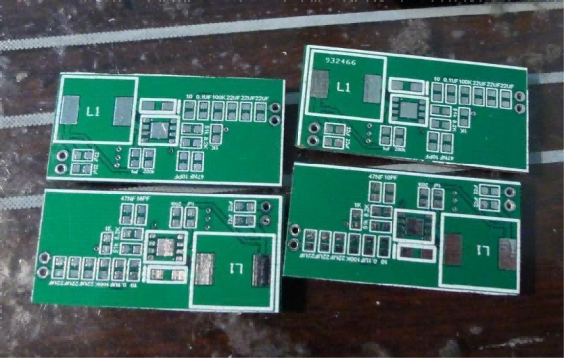
Next, solder the IC onto the board.
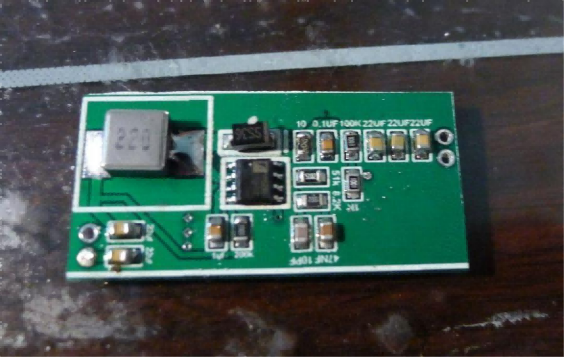
After soldering, proceed with debugging.
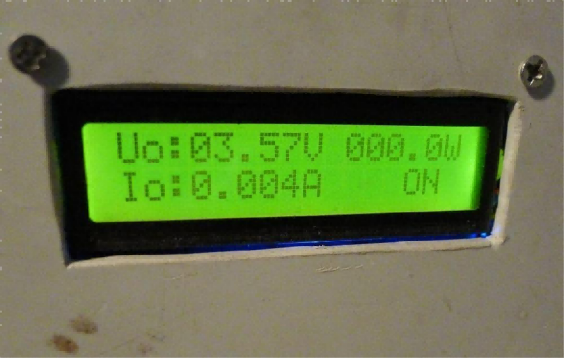
If the output voltage exceeds the chip's expected value and does not match the calculated result, there may be an error in the circuit.
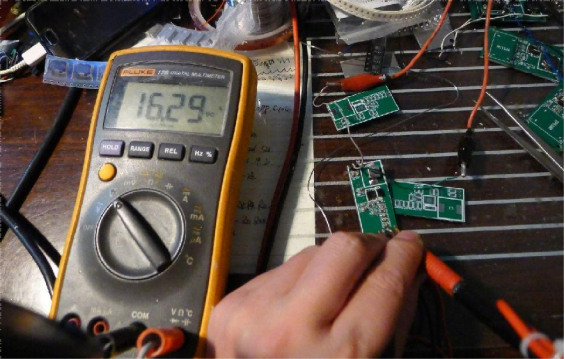
In that case, check the circuit and make the necessary corrections.
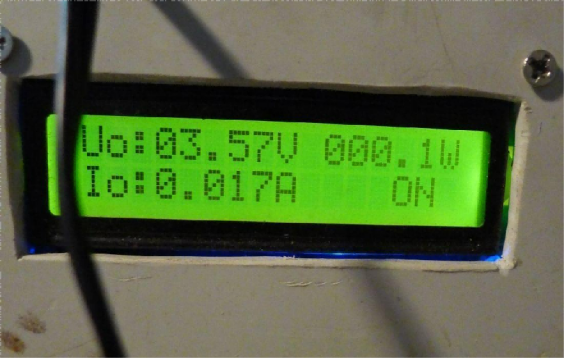
Once fixed, the measured data should return to normal.
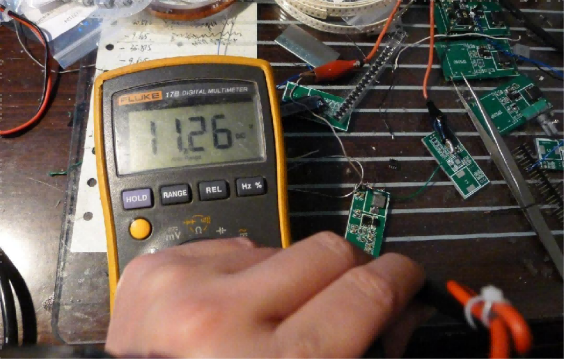
You can then connect it to the LED driver board to power a 9W LED.
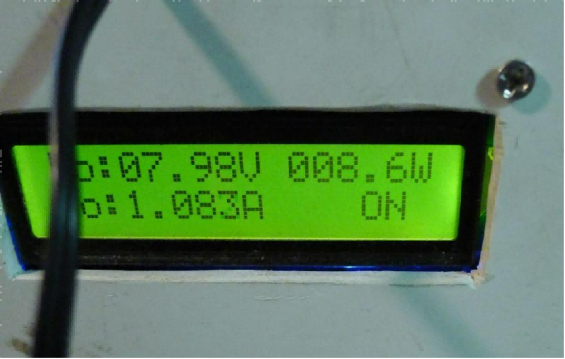
The process is shown in the images below.
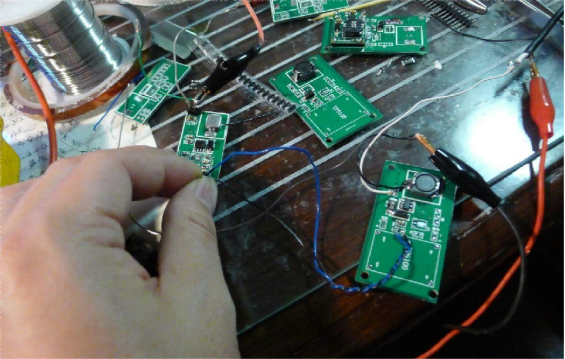
If testing shows everything working properly, the design is good.
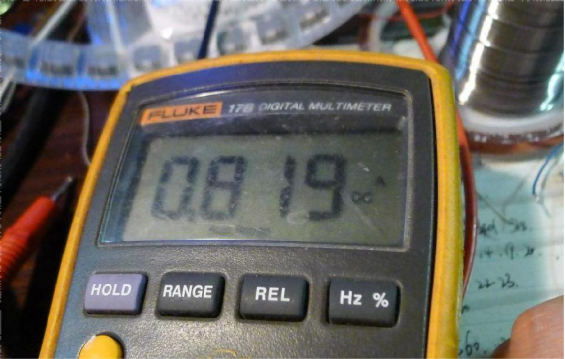
If you only have the two types of inductors mentioned in this article, note that when the output current reaches around 1.2A, the smaller inductor may start to heat up slightly. In that case, replace it with the larger one.
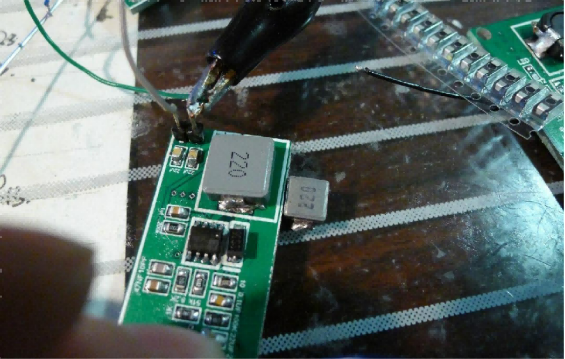
After switching to the larger inductor, the heating issue should disappear. Run another test, and if everything works correctly, the build is complete.


