
DIY Building a Low-Cost Constant Temperature Heating Platform


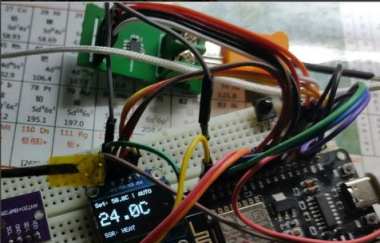
If you are interested in a DIY constant-temperature heating platform, you might want to take a look at this article.
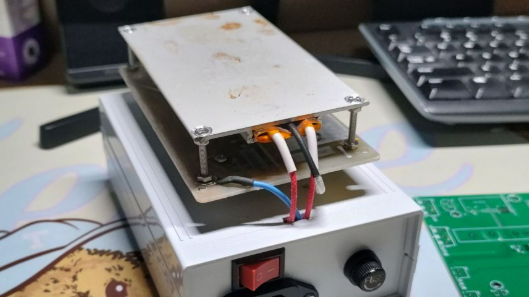
If you have a 7×12 PTC heating plate, with a piece of cut PCB board screwed to the bottom for insulation, installed inside an iron box, it can barely be used, but it looks quite ugly and has no grounding wire. If you have the idea of modifying it, then you can make use of the parts you already have and try to build one yourself based on the principle of low cost.
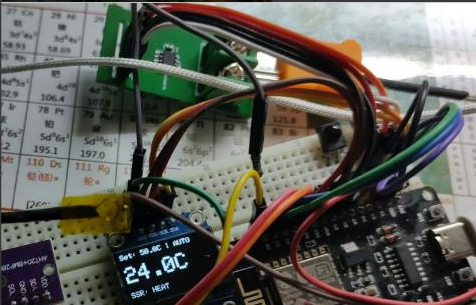
You use an ESP8266 as the main controller to control an AC solid-state relay for switching and temperature regulation, and you use a thermocouple to measure the temperature.
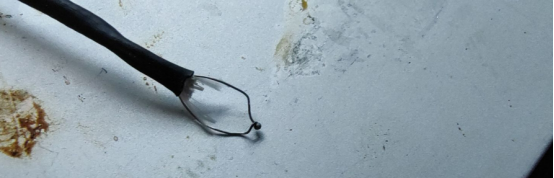
The thermocouple wire is quite long, so you should not waste it. You cut off 15 cm and use a carbon rod sintering method to fuse the two wires together, making a new thermocouple.
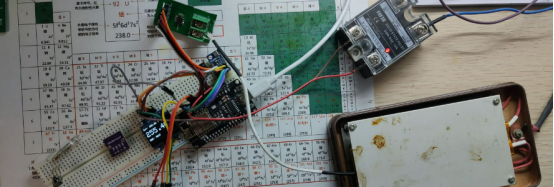
These are all the components used for testing: the original heating platform, the 8266 development board, buttons, a solid-state relay, and a MAX6675 with a thermocouple for temperature measurement.
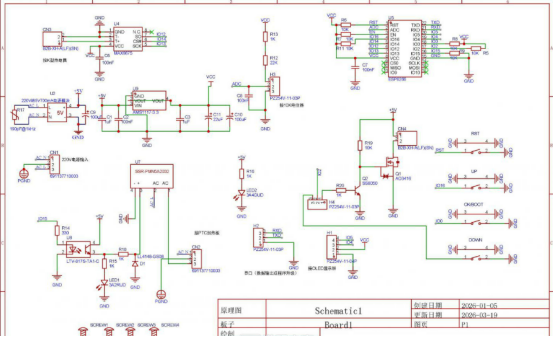
You draw the circuit.
You connect a potentiometer to the ADC pin for temperature adjustment.
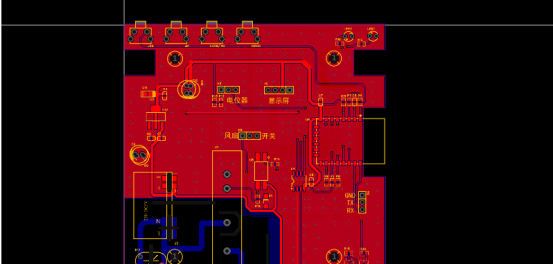
You design the PCB, and the board size and screw hole positions are adapted to fit a DIY plastic enclosure.
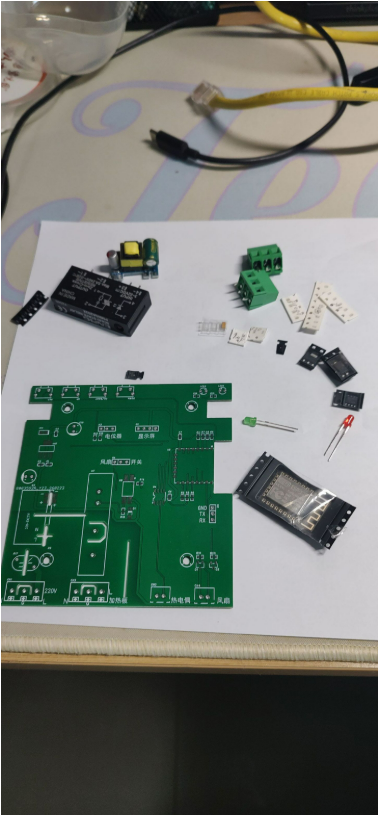
You gather various components, and the solid-state relay can be replaced with a smaller one.
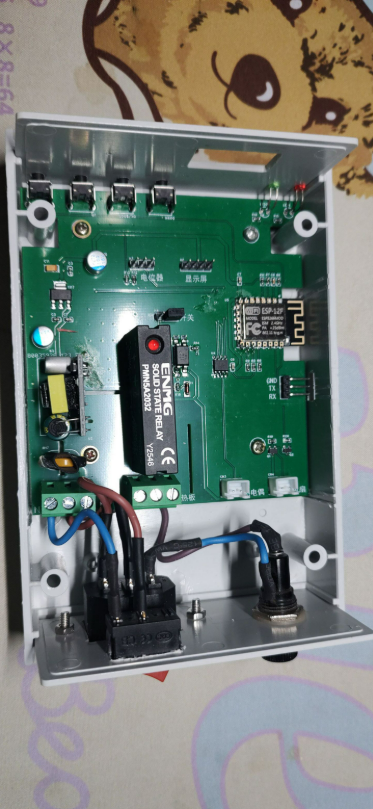

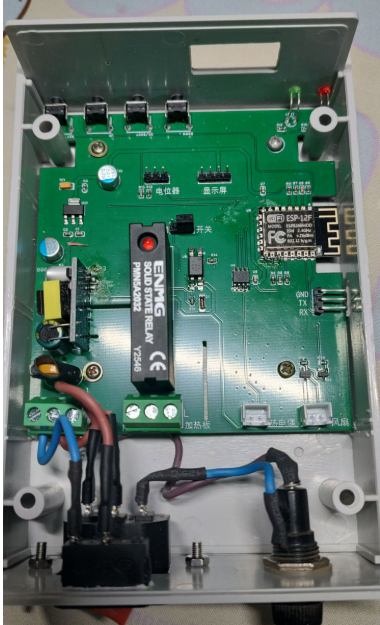
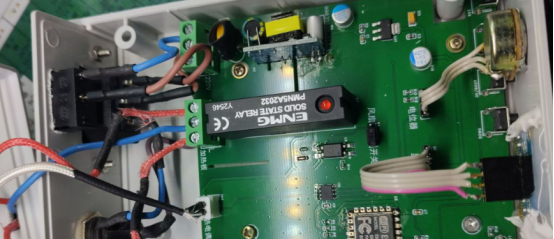
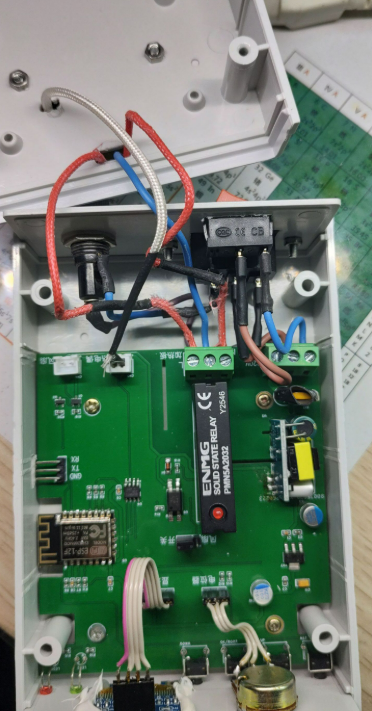
You connect the heating plate, thermocouple, and ground wire. You reserve a fan interface in the circuit design. Because the 8266 module has limited IO pins, it shares one IO pin with a button, and you can switch using a jumper. You can connect a fan later if needed.
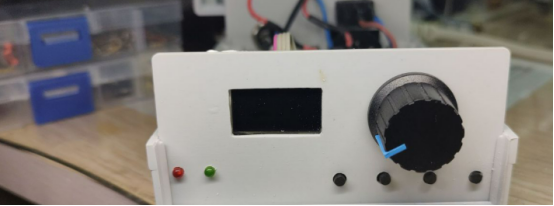
For the front panel, you measure the dimensions, drill holes, and use a file to shape them. The 12864 display is not fixed with screws, but instead glued with hot melt glue and 704 adhesive.
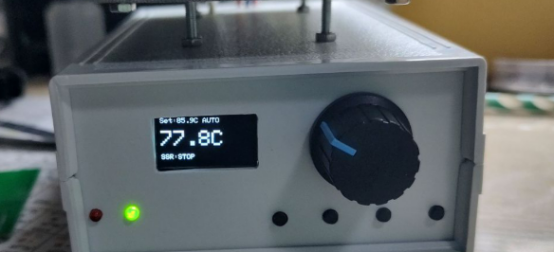
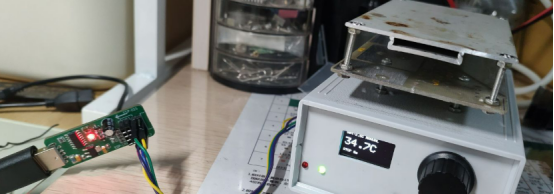
If you want to save costs, you do not solder a serial port chip onto the board. Instead, you open a hole on the side so you can connect a serial module for firmware upgrades.
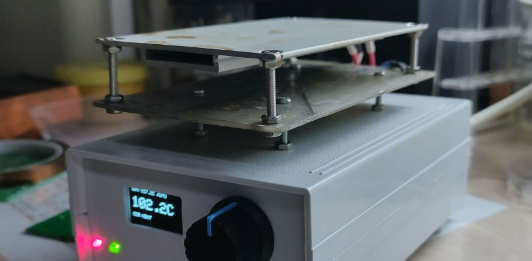
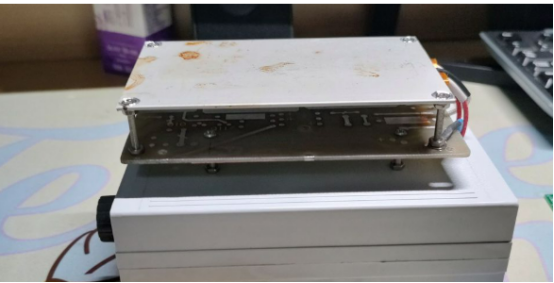
Although it is relatively simple, the program is still being improved. It can now maintain a constant temperature, with a maximum of about 260°C.
Completed.


