
DIY Remote-Controlled Mini Hoist Guide


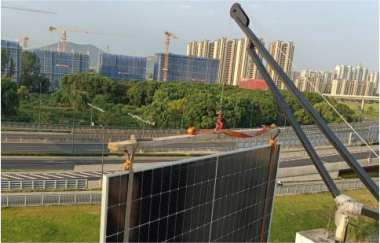
If you are interested in DIYing a remote-controlled small hoist, you might want to take a look at this article.
If you live on the fifth floor and the rooftop platform is measured to be 20 meters above the ground, hiring a crane every time can be too expensive, so you might as well use a spare car wiper motor to DIY a small hoist.
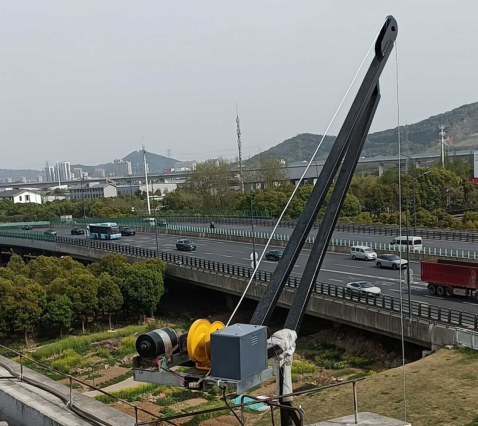
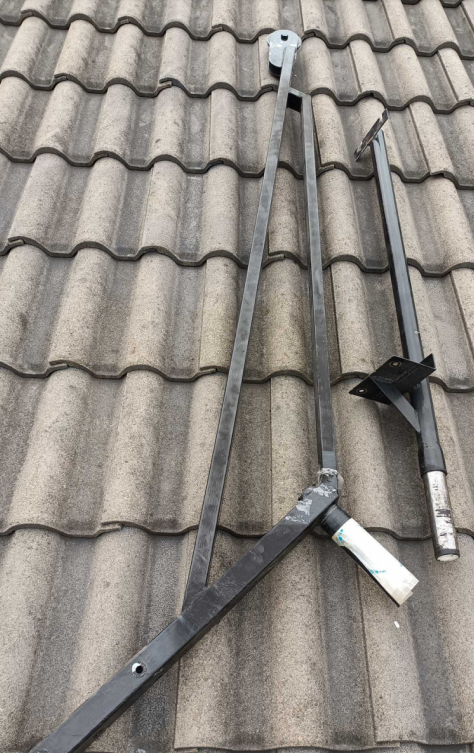
The materials for the hoist bracket are as follows: the triangular boom is made of 30×50 mm rectangular steel tubes with lengths of 1600 mm and 1200 mm, the horizontal arm is made of a 40×60 mm rectangular steel tube with a length of 550 mm, the vertical column is a ∮42 mm round pipe with a wall thickness of 3.5 mm and a length of 1200 mm, the sleeve pipe is a ∮48 mm round pipe with a length of 220 mm, the pulley is ∮110 mm, the steel plate thickness is 3 mm, and the angle iron is 40×40×3 mm.
The components include a manual winch (1200 lbs bare unit), a steel wire rope (4 mm, 25 meters), a lifting hook (eye hook, 0.5 ton), and a wireless remote control module.
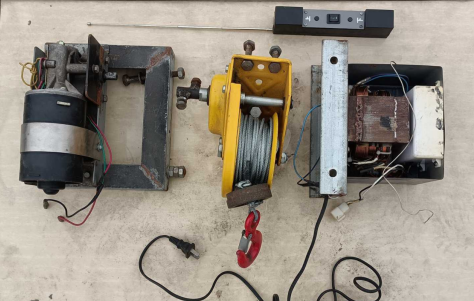
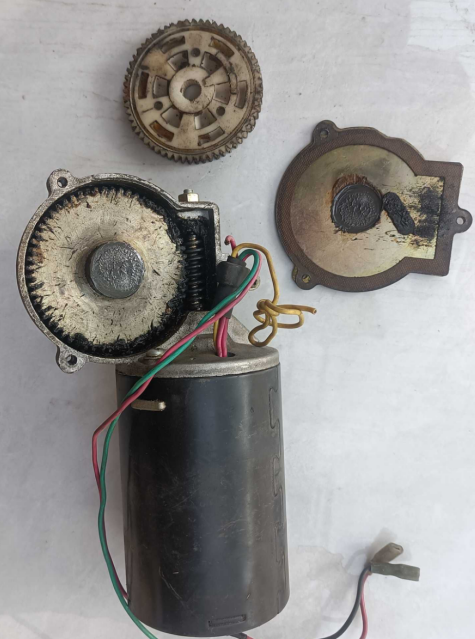
The motor uses a 24V 80W car wiper motor. You need to disassemble the cover and knock out the original ∮77 mm plastic worm gear, then replace it with a metal worm gear. You can use a round iron block of similar diameter (or cut one), clamp two pieces side by side in a bench vise, and shape the gear teeth with an angle grinder according to the original tooth profile. The gear does not require high precision, and larger tolerances are acceptable, as it will become smooth after several runs once welded onto the original shaft. The motor bracket is made by welding two angle iron frames of 100×230 mm and 200×230 mm.
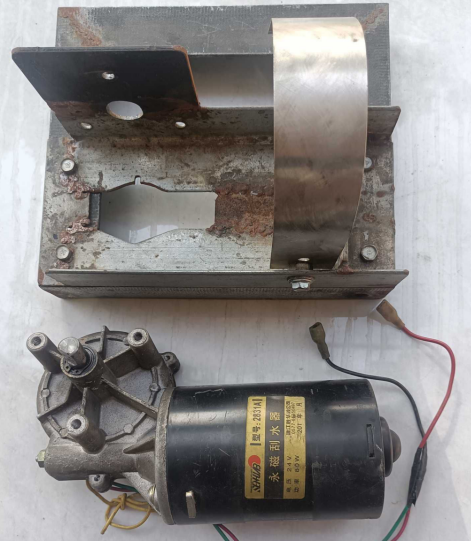
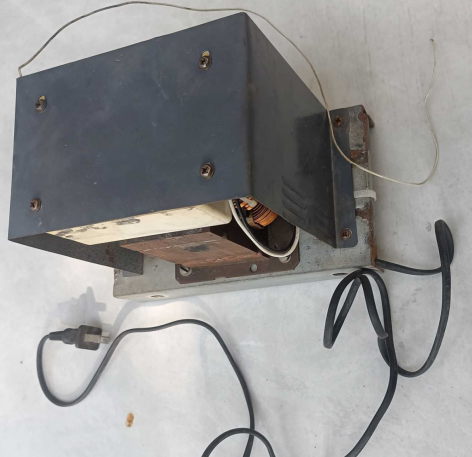
The motor power supply initially uses a 24V 6A switching power supply. If the test lifting speed is too slow, you can increase the voltage to improve the speed. You can modify an 800W microwave oven transformer by cutting it open and adding 110 turns to the primary winding with the original wire gauge, then rewinding two secondary coils: one with 60 turns to output 40V for the motor, and another with 18 turns to output 12V for the remote control receiver board (you can also use a 48V electric vehicle battery and step it down or tap 12V for use). The transformer also serves as a counterweight and helps balance the motor symmetrically.
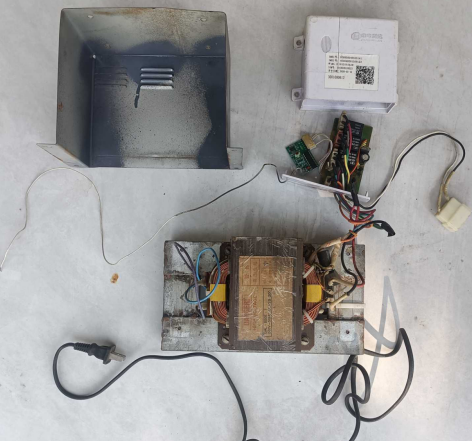
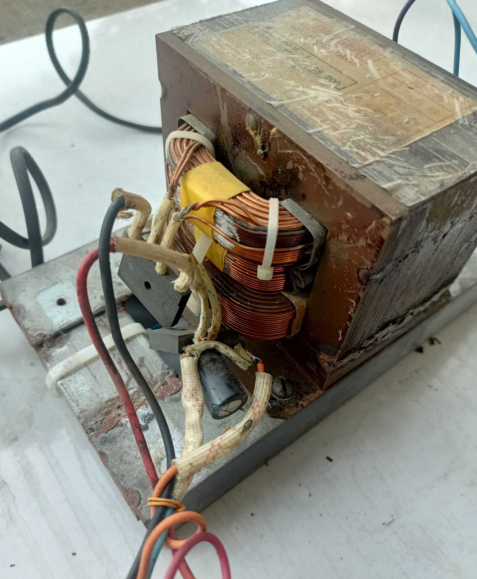
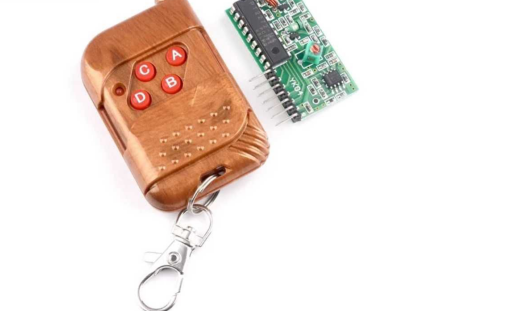
The wireless remote module uses an M4 momentary + 315M—CADB remote. You need to disassemble the small remote, take out the circuit board, and solder two wires to each of the A and B buttons. If you happen to have a discarded LCD TV speaker enclosure, you can use it as the remote control casing, cut a plastic sheet as the front panel, install a double-pole three-position switch for up and down control, and add two tactile switches for momentary control.
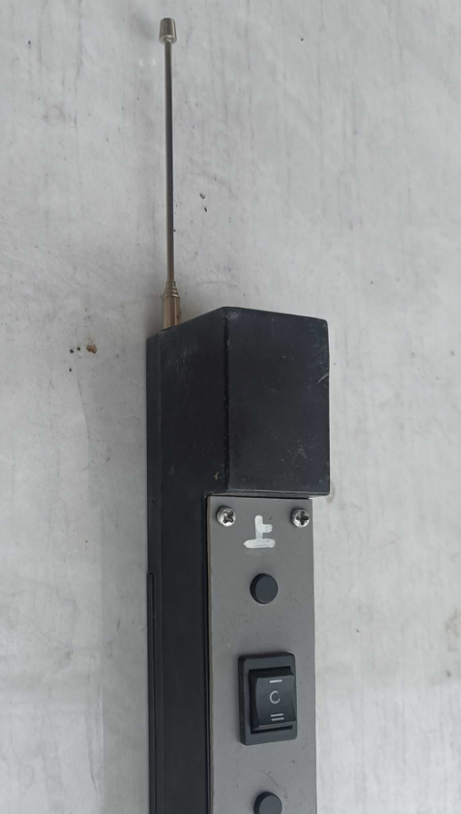
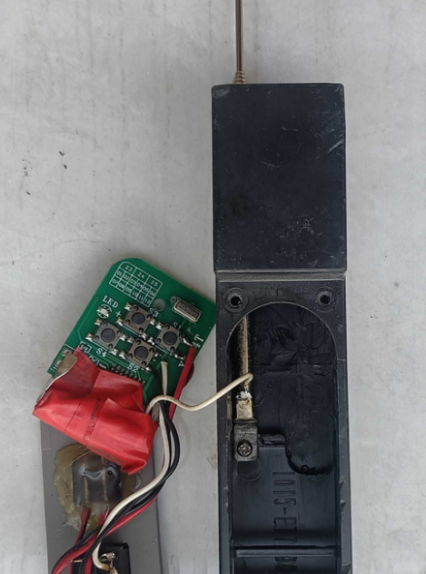
If you happen to have a discarded range hood circuit board, you can use it to modify the receiver control board.
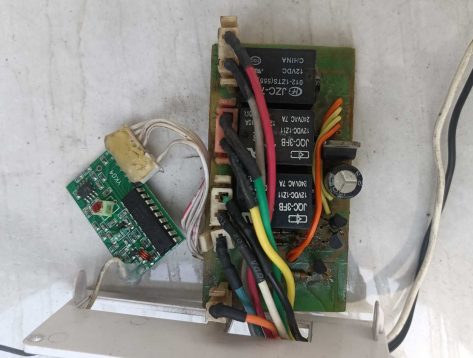
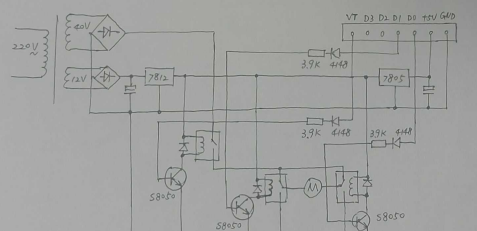
The circuit diagram is shown below.
After completing the build, you can test the machine. Lifting 8 roof tiles with a total weight of 32.5 kg (simulating the weight of one photovoltaic panel) to the rooftop takes about 5 and a half minutes. To ensure safety, you should limit each lifting operation to no more than 50 kg. During operation, one person should operate the remote control on the rooftop while observing the load condition at all times, and another person should guide the load from the ground using a rope.
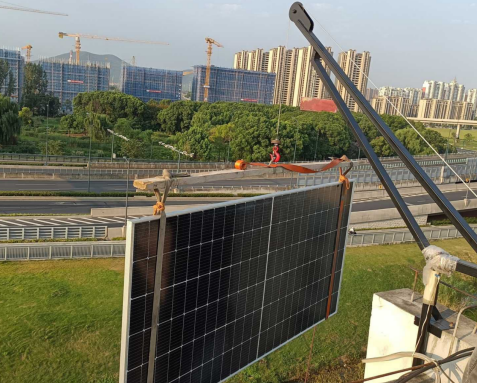
Reminder: You must follow proper operating procedures and implement safety measures.


