
DIY Solar Water Heater Automatic Control System Upgrade


If one is interested in DIY solar water heaters, it is worth taking a look at this article.
If one has a solar water heater that has been used for many years, with only one inlet/outlet pipe and one overflow pipe, and no controller, it requires manual supervision, and water is often forgotten to be turned off, causing water to run wastefully all day. It is not possible to install wiring for a controller or modify the water tank of the heater, which can be very frustrating. Before replacing the system, a new idea can be considered by working on the return water path. If a water flow switch is available, it can be integrated into a design where a solenoid valve is used for one-button water filling. When the tank is full, the backflow triggers the water flow switch, and a relay cuts off the solenoid valve to stop the water intake.
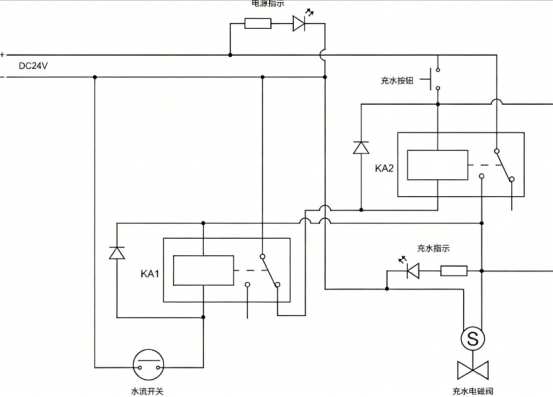
This is the circuit diagram
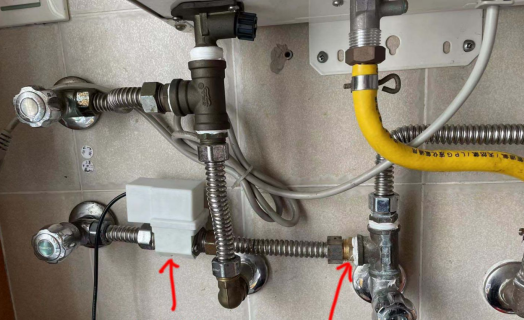
A check valve and a 24V solenoid valve are installed on the inlet pipe.
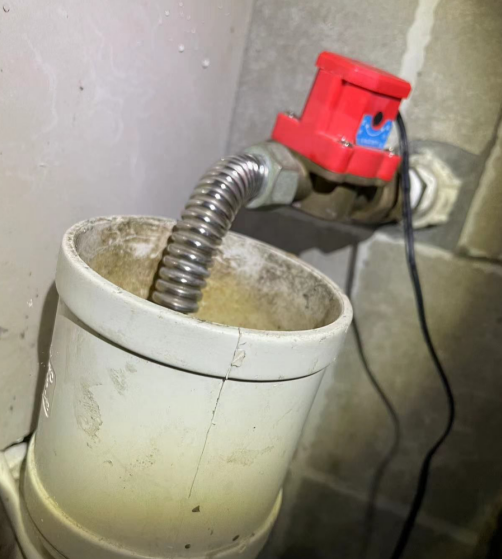
The water flow switch is installed at the outlet of the overflow pipe (under the kitchen sink indoors).
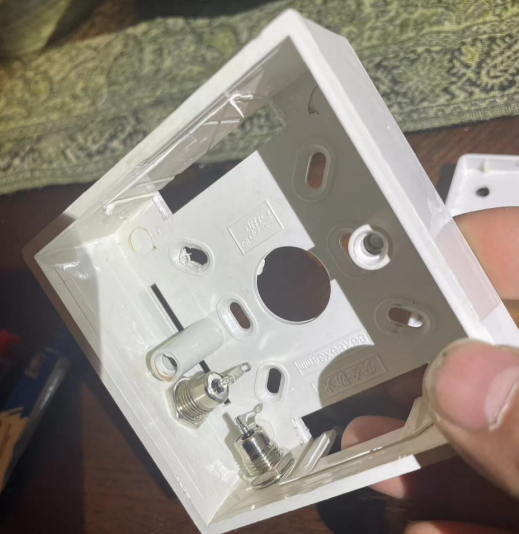
An 86-type surface-mounted junction box is used, with holes drilled to install two DC sockets, one connected to the solenoid valve and the other to the water flow switch.
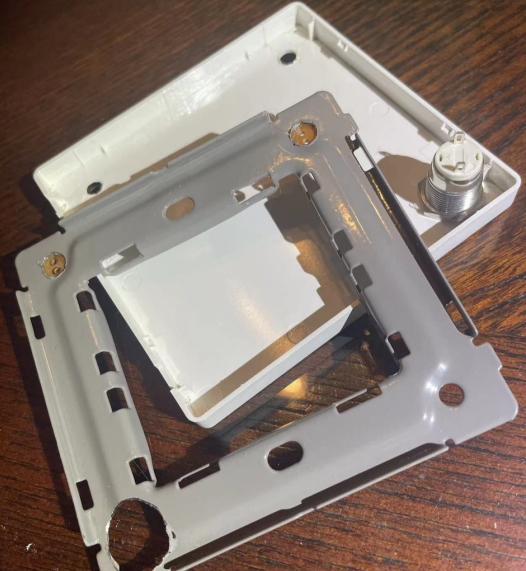
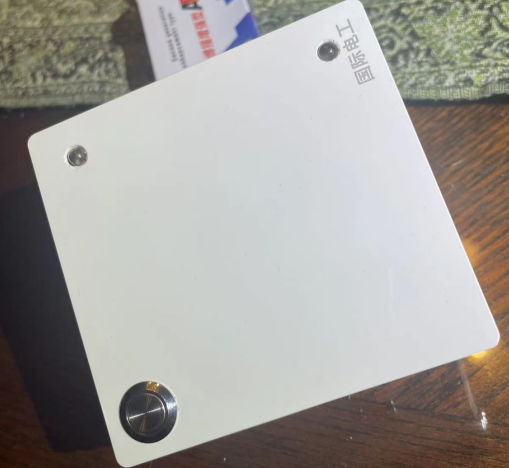
An 86 blank panel is used. The steel base plate has four small holes at the corners. Two are enlarged for installing LEDs, and a third is enlarged for installing a self-reset push button switch.
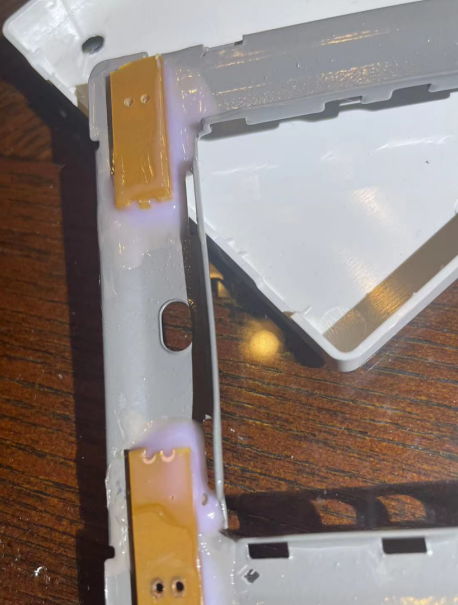
PCBs are attached to the two LED holes to facilitate LED installation.
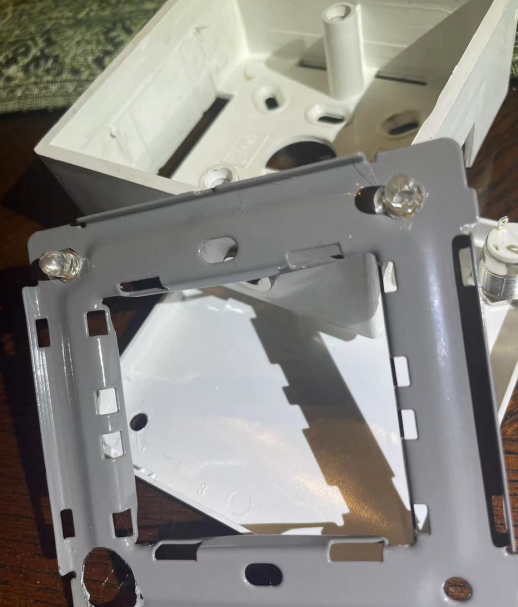
The appearance after installing the LEDs.
Corresponding holes are made on the panel to install the push button switch.
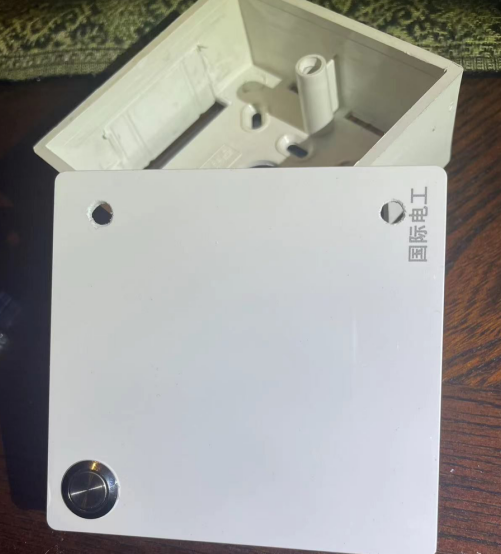
When assembled together, it looks like this.
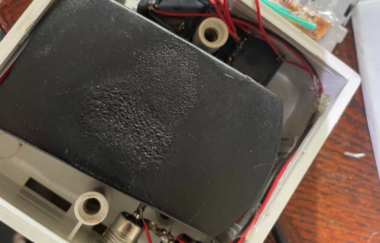
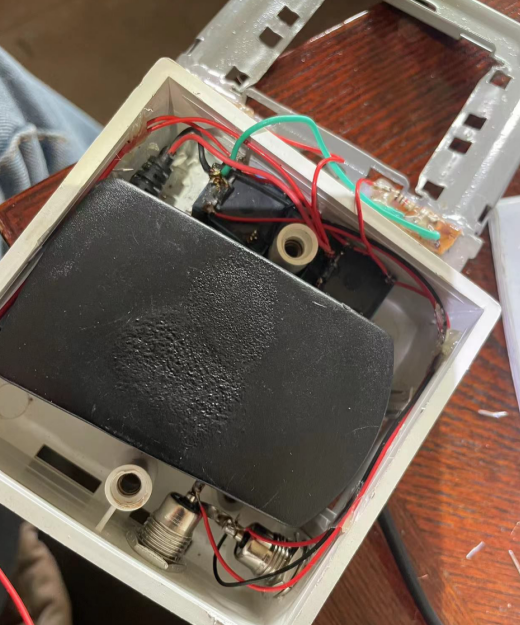
Inside the junction box, two relays are hand-soldered in a point-to-point wiring style and fixed to the box using hot glue. The black component in the center is the power supply. If the power supply housing has a raised bulge that makes it slightly too tall, it can be softened with a lighter and pressed flat after heating.
After testing confirms everything works correctly, the system is mounted on the wall and connected to the power supply, water flow switch, and solenoid valve.
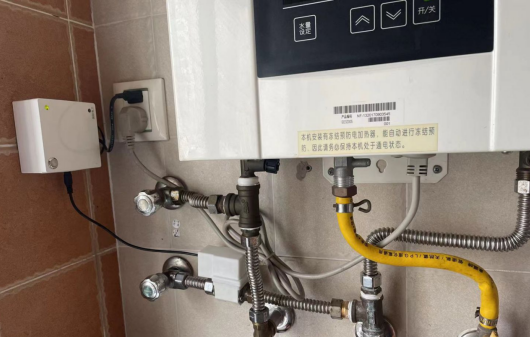
The green light serves as the power indicator, and the red light indicates water filling. A light press of the button starts water filling, and when the tank is full, backflow through the overflow pipe triggers automatic shutdown, eliminating the need for manual supervision.
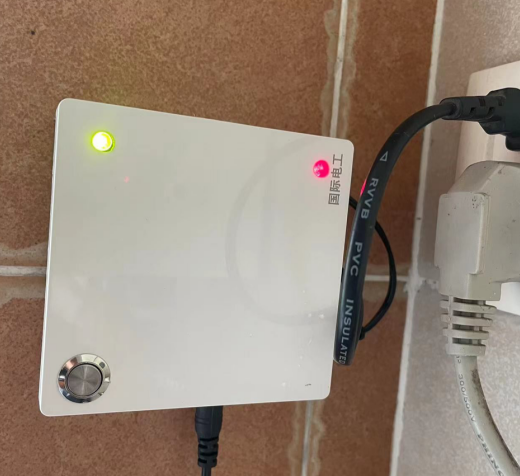
Completed.


