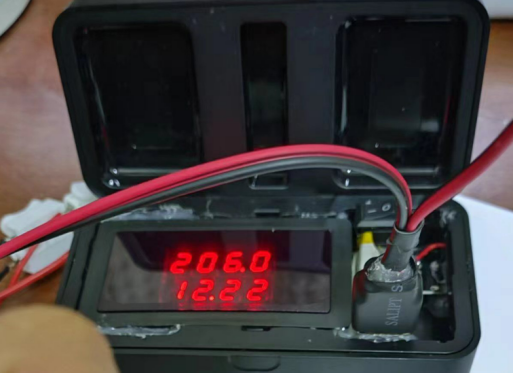
DIY Internal Resistance Meter


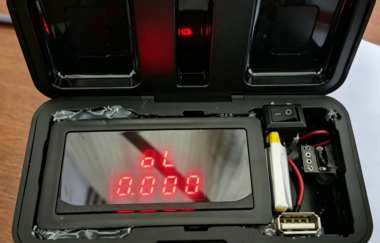
If you are interested in DIY internal resistance meters, you might want to read this article.
If you happen to have a Bluetooth earphone charging case with a housing, charging board, and battery, but no suitable Bluetooth earphones, you can turn it into an internal resistance meter.
At that moment, you may have the idea of using this Bluetooth earphone charging case to make an internal resistance meter, because the size of the charging case is just right for installing the meter inside it.
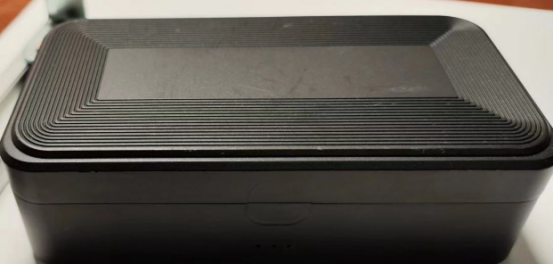
The box uses a magnetic opening and closing mechanism, and this is what it looks like when it is closed.
This is what it looks like when it is opened.
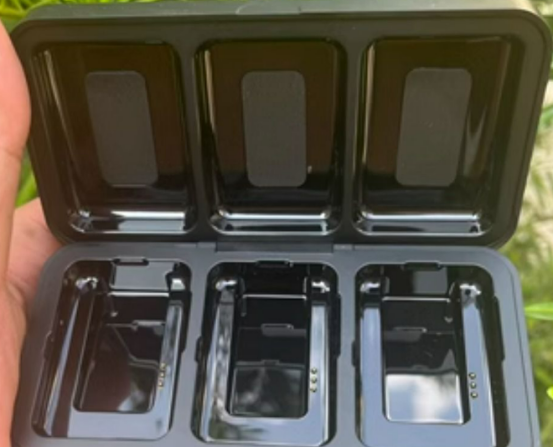
It comes with a Type-C interface, so you do not need to drill another hole.
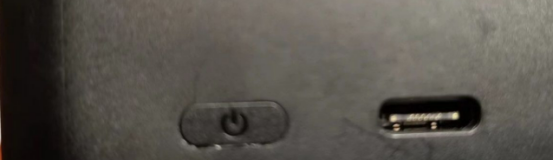
Drilling the opening is relatively difficult.
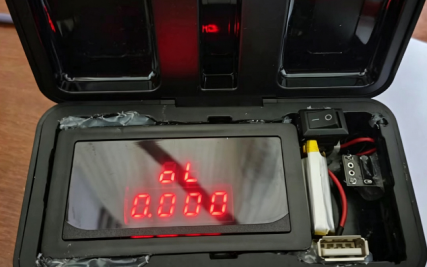
You can use a 4056E ultra-small charging and protection combo board, where the red light indicates charging and the green light indicates a full charge, while still making use of the original small indicator light hole.

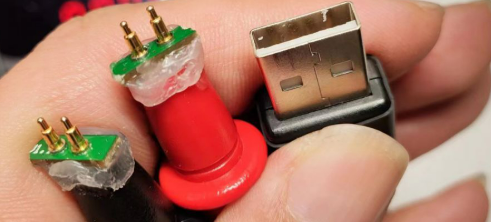
You can also make use of the charging contacts originally used for the Bluetooth earphones by attaching them to discarded multimeter probes. This creates a four-wire probe with a spring-loaded metal tip. The project is completed.
In actual testing, you can test a lithium electric drill battery with three series-connected cells and a total voltage of 12V. Each cell shows an average internal resistance of more than 60 milliohms, indicating that the battery is likely nearing the end of its usable life.