Samsung Invests KRW 41.8 Trillion in R&D in 2026


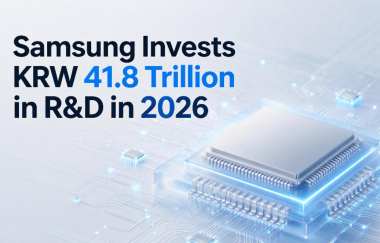
According to data released by Samsung Electronics on November 16, the company invested KRW 56.9 trillion (approximately $43 billion) in facilities and KRW 41.8 trillion in research and development (R&D) during the first three quarters of 2026. The investment reflects Samsung's continued efforts to strengthen its semiconductor business, accelerate AI-related technologies, and secure long-term growth.
During the first nine months of 2026, Samsung Electronics reported cumulative revenue of KRW 500.63 trillion and operating profit of KRW 254.17 trillion. Its Device Solutions (DS) division, which oversees semiconductor operations, was a major contributor to growth, generating KRW 356.34 trillion in revenue, supported by rising demand for high-value products used in AI servers.
Of the company's total facility investment, KRW 52.75 trillion, or approximately 93%, was allocated to the DS division. The funding is intended to strengthen next-generation memory technologies, prepare for growing semiconductor demand, and expand advanced process capacity in its system semiconductor business.
Samsung's R&D spending also reached a record level. Its investment in the first three quarters totaled KRW 41.80 trillion, already exceeding the full-year figure of KRW 37.75 trillion in 2025. The company also registered 8,411 new patents in South Korea and 8,470 in the United States during the third quarter, bringing its cumulative global patent portfolio to 302,751.
Meanwhile, Samsung continued to expand its global market share across several key product categories. Its smartphone market share reached 22.1% in the third quarter, while its television market share increased to 29.5%. In the memory semiconductor market, DRAM share climbed from 34.0% last year to 38.3%, supported by growing demand for high-bandwidth memory (HBM) and server memory driven by AI infrastructure investment. HBM4 shipments and increased supplies of next-generation 1c-nm DRAM products also contributed to this growth.
Samsung's display and automotive electronics businesses also recorded gains. Samsung Display increased its smartphone OLED panel market share to 46.9%, while Harman's share of the digital cockpit market rose to 13.9%.
With substantial investments in semiconductor facilities, advanced memory technologies, and R&D, Samsung Electronics is strengthening its position in the global semiconductor industry while expanding its presence in AI, mobile devices, displays, and automotive electronics.


