
Uncommon Silicon Wafer Falls


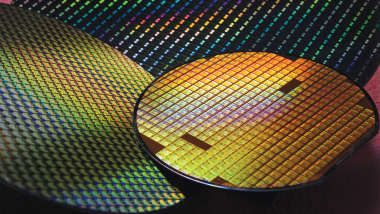
SEMI recently reported that global silicon wafer shipments and revenue in 2022 have set new records. Global silicon wafer shipments rose 3.9% to 14.713 billion square inches (MSI) in 2022 last year, while wafer revenue rose 9.5% to $13.8 billion over the same period. Last year's MSI total was 14,713, compared with 14,165 MSI shipments in 2021, as silicon wafers underpin strong demand for semiconductor equipment. Consumption of both 8-inch and 12-inch wafers increased, partly due to the automotive, industrial and IoT sectors, and 5G buildouts. Wafer revenue reached $13.831 billion, surpassing the previous record set in 2021.
Anna-Riikka Vuorikari-Antikainen, Chairman of SEMI SMG and CEO of Okmetic, said: “Despite heightened global macroeconomic concerns, the silicon wafer industry continues to grow. Silicon shipments have grown in nine of the past 10 years, This is a testament to the central role silicon wafers play in the vital semiconductor industry."
However, the price of silicon wafers, which has been maintained at a high level, has recently shown signs of falling. According to media reports, the spot price of silicon wafers has recently begun to fall, which is the first time in more than three years, mainly involving 6 inches, 8 inches, and 12 inches.
South Korean chipmakers Samsung and SK Hynix are planning to purchase less silicon wafers for chip production than originally planned. It is said that this plan was discussed as early as last quarter.
There are currently five major suppliers of wafers; Japan's Shin-Etsu and Sumco, Taiwan's GlobalWafers (Global Wafers), Germany's Siltronic and South Korea's SK Siltron.
During the worst two years of the pandemic, these wafers were in tight supply and chipmakers were in short supply.
This continues as the global recession begins in 2022. This is because silicon wafers are a back-end industry, and the influence of the consumer market comes later than that of the front-end industry.
In the third quarter of last year, when chipmakers reported profit declines for the first time, wafer companies saw profits rise.
Chipmakers are looking to reduce the number of wafers they source even more than usual. Wafer supply deals are typically long-term, which typically limits chipmakers from adjusting how much they buy, but Samsung and SK Hynix have asked for further reductions, the sources said.
Silicon wafer maker Sumco said demand from customers for automotive and industrial uses remains strong, but a weak smartphone market could generate lower wafer orders in 2023 before recovering in 2024. "The recent sustained inventory adjustment has dealt a heavy blow to the memory chip manufacturing industry and is likely to last for months," said Sumco CEO Mayuki Hashimoto.


