
DIY 4-Digit Voltage & Current Meter Project


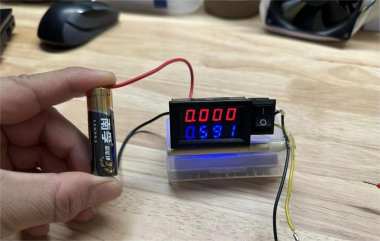
If you're interested in DIY digital voltage and current meters, you might want to check out this article.
This DIY project isn't very complicated. Its main principle is using a power bank module to boost the voltage of a single 18650 lithium battery to 5V to power the voltage and current meter. The meter's minimum operating voltage is 5V. You can use 4V, but the accuracy might not be reliable.
This power bank module starts automatically. Because the working current is very low (less than 50mA), it can cause the power bank module to shut down. The meter itself only consumes around 10mA. You can connect a 100-ohm resistor in parallel at the meter's power input and attach a switch directly to the module's positive output. When turned off, if there's no output current for 15 seconds, the power bank module will automatically shut down. It's quite convenient to use. The downside is that the meter responds slowly—it sometimes takes about 5 jumps to show the final reading. If you reverse the connection, it won't show anything and will just display 0000.
Looking at the measurement effect, the image below shows the voltage of a dry cell being measured:
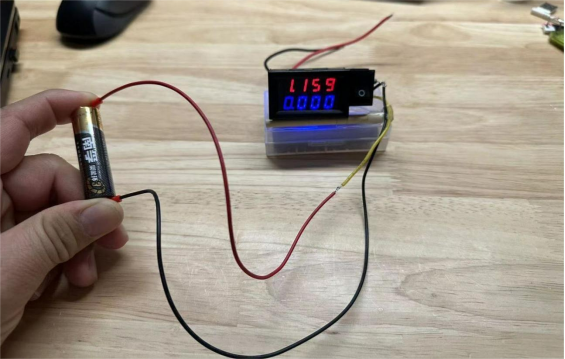
Measuring the short-circuit current of a dry cell, as shown in the image below. The battery used here is one left over from a mouse—it's basically dead.
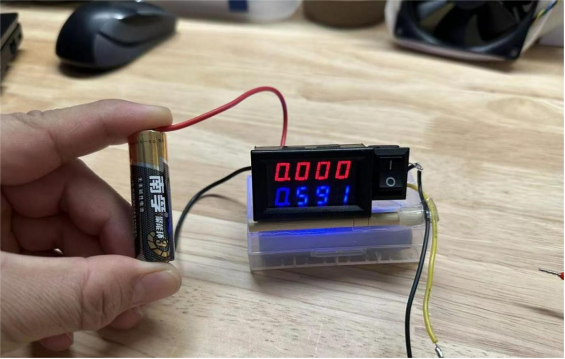
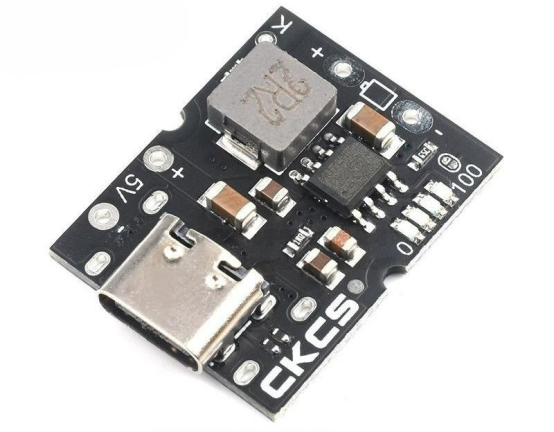
As shown in the previous images, you'll need a red-and-blue 4-digit high-precision digital voltage and current meter. You'll also need a high-precision 5V 2A Type-C input, compatible with 4.2V/4.35V lithium battery charge-discharge module.
You can fit the power supply part inside a two-cell 18650 battery holder, like in the image below:
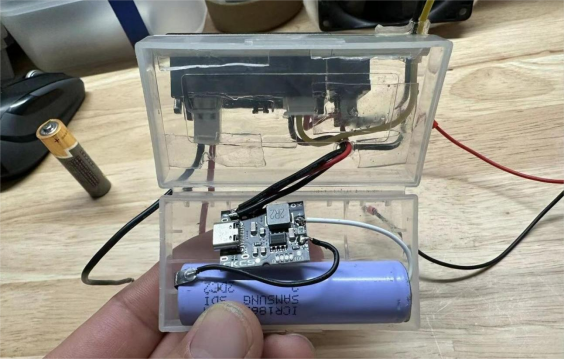
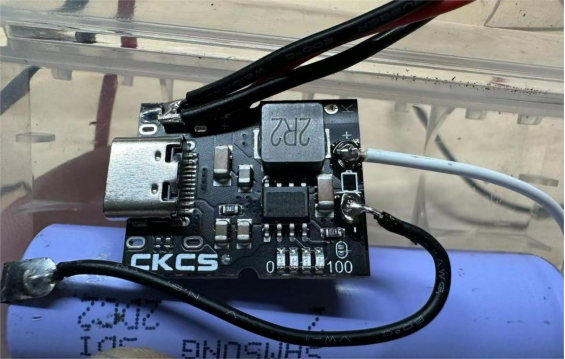
Here's how it looks from the outside:
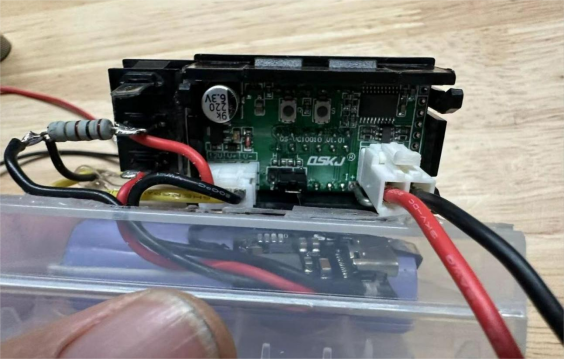
Done.


