
Apple to Use Intel 18A for Entry-Level M Chips


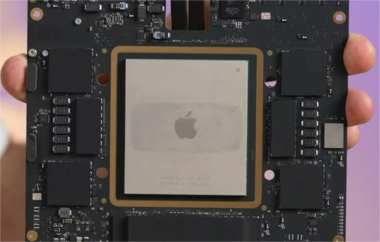
According to industry watchers, Apple's 2020 decision to move the Mac lineup fully onto its own Apple Silicon chips marked the end of its long partnership with Intel that began in 2005. But new reports suggest the two companies could be working together again — this time with Intel not as a CPU provider, but as a manufacturing partner for Apple's M-series chips.
According to analysts familiar with the matter, Apple is evaluating a plan to have Intel start making some M-series processors from 2027 as part of its broader supply-chain diversification strategy. Intel is expected to begin shipping Apple's entry-level M chips as early as that year.
According to sources, Apple has already signed a non-disclosure agreement with Intel and obtained the PDK 0.9.1 GA for Intel's 18A process node. Key simulation and research work, including performance, power, and area (PPA) checks, is said to be proceeding as planned. Apple is now waiting for Intel to release PDK 1.0 and 1.1, which are expected in the first quarter of 2026. If development stays on track, Intel could start producing low-end next-generation M-series chips using Intel's 18A process in the second or third quarter of 2027, although the final timeline will depend on results from the newer PDK versions.
According to shipment estimates, Apple's entry-level M processors are mainly used in MacBook Air and iPad Pro, with combined shipments reaching around 20 million units in 2025. Looking ahead, volumes in 2026 and 2027 are expected to stay in the 15–20 million range, partly because a cheaper MacBook using an iPhone-class chip could impact MacBook Air demand.
According to industry assessments, even if Apple shifts part of this production to Intel, the impact on TSMC would be limited due to the relatively small order volume. For Intel, however, securing Apple's business could be a turning point, opening the door to deeper cooperation. While Intel is still catching up in leading-edge manufacturing, this move could mark the end of the toughest phase for its foundry business. Over the longer term, more advanced nodes like Intel 14A may help bring in additional high-profile customers.
According to policy and market analysts, Apple also has strategic reasons behind the potential move. Expanding manufacturing within the U.S. aligns with the "Made in America" push under the Trump administration, at a time when advanced production capacity in the U.S. remains tight and heavily competed for by companies such as NVIDIA and AMD. At the same time, adding a second manufacturing partner gives Apple more flexibility and leverage in supply-chain planning and cost negotiations.


