
DIY Waterproof Bluetooth Speaker Guide


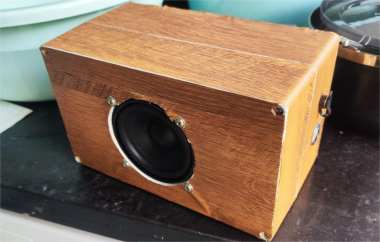
If you're interested in making a DIY waterproof Bluetooth speaker, you might want to check out this article. In the previous DIY post, DIY Repair for Swollen Battery Bluetooth Speaker, we fixed a waterproof speaker. In this article, we'll continue with a DIY project to make a waterproof Bluetooth speaker.
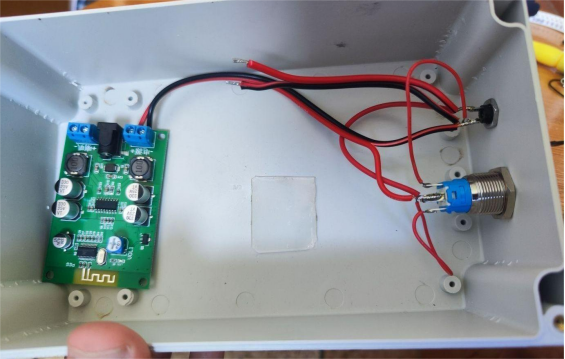
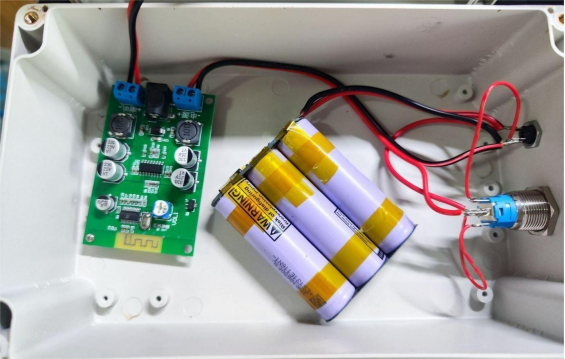
You'll need to find a suitable enclosure. As shown in the picture below, the internal wiring is pretty simple. For the amplifier board, you can use a TPA3118 mono Bluetooth amplifier board.
For the battery pack, you can assemble a 12V battery pack as shown in the picture below.
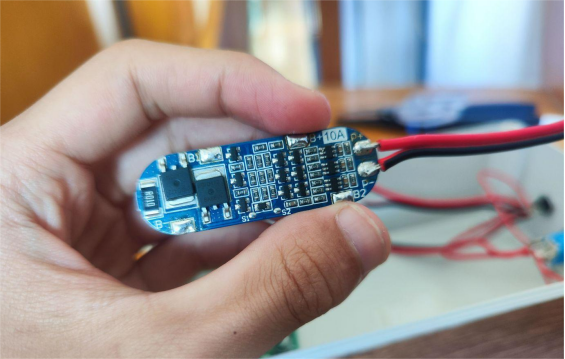
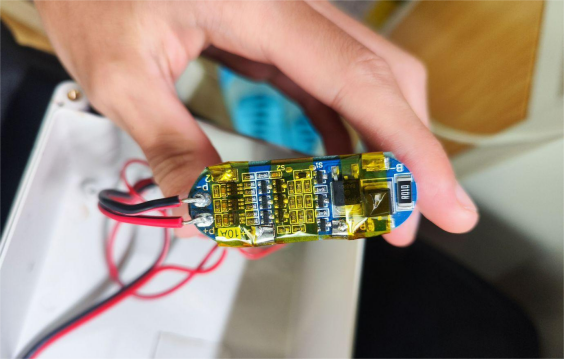
You'll need three 3000mAh 18650 batteries.
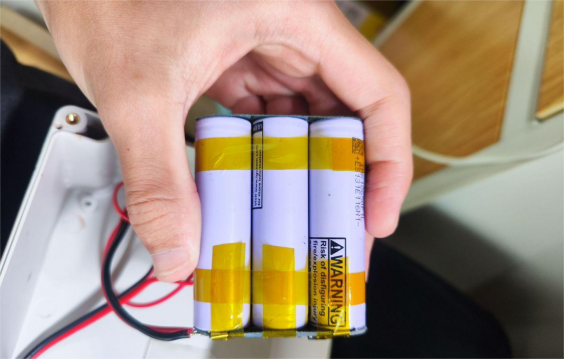
Then you can place the battery pack inside the speaker. For the charging port, you can choose a waterproof one to prevent water from getting inside and causing short circuits. Alternatively, you can adjust the voltage with a resistor and add a diode in series, which also prevents the battery from overcharging.
The picture below shows the speaker part. You can use a 4Ω 15W speaker.
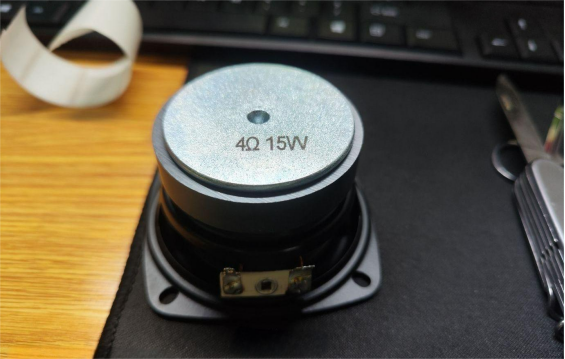
Make sure to use a truly waterproof speaker—one that won't let water in even if fully submerged.
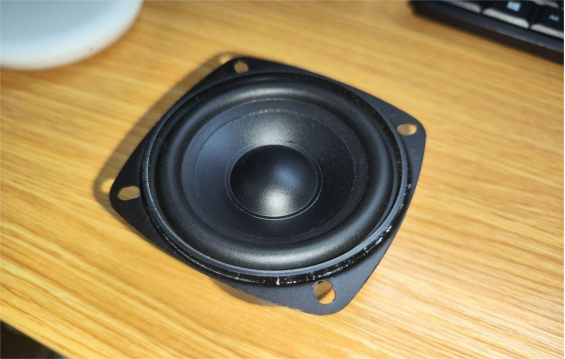
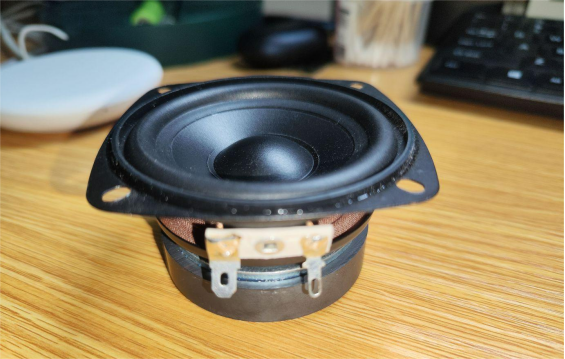
Next, you can assemble the speaker and amplifier parts together, as shown in the picture below. You can also install them separately on the enclosure.
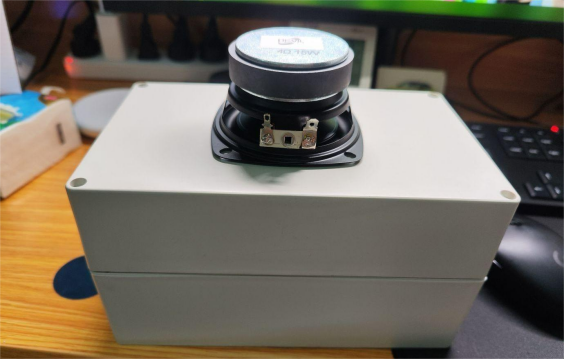
Then, you can make a suitable hole in the enclosure and place the components through it.
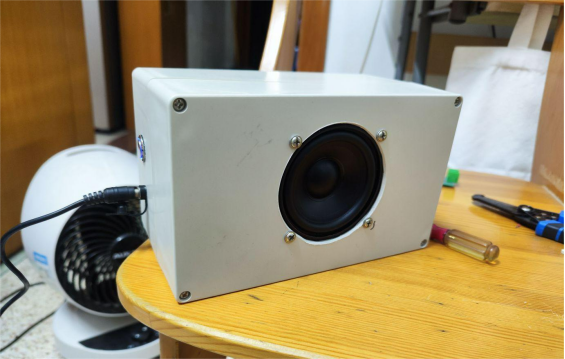
For the enclosure, you can also decorate it—for example, by adding a wood-grain film. For the charging port, you'll need a waterproof cover, like the black part on the left side of the picture below.
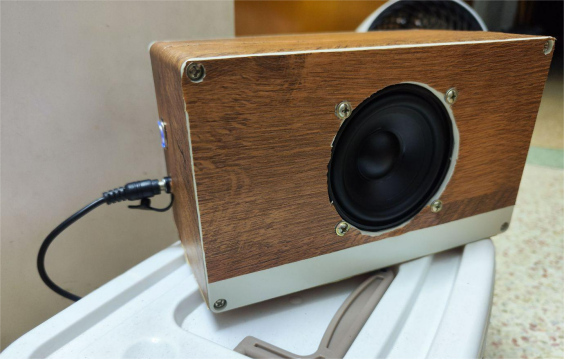
Once finished, it should look like the picture below.
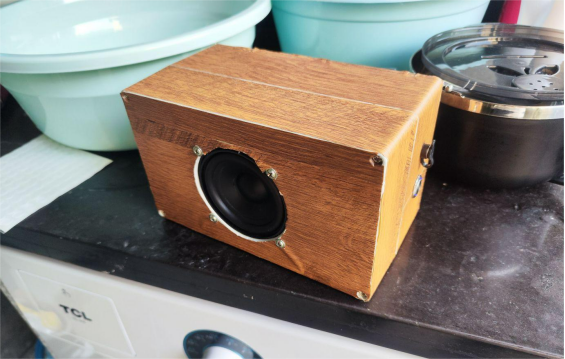
Of course, the box must be fully sealed; otherwise, water can easily get in. Also, if you feel the enclosure is too thin and prone to resonance, you can add some acoustic foam inside. Just make sure it's not touching the chips or other components, so heat dissipation isn't affected.
Done.


