
DIY CN3085 NiMH Charger Upgrade Guide


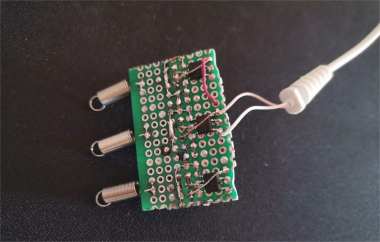
If you're interested in DIY modding a CN3085 three-slot NiMH charger with flying wires, you might want to check out this article.
If your toys run on batteries everywhere, and some of them are quite power-hungry, disposable batteries get drained pretty fast, and the charger that came with them is pretty basic, then you can upgrade using the CN3085 IC, the 4056 of the NiMH world.
The CN3085 is a chip that manages charging for NiMH batteries and can handle single to four-cell NiMH battery packs. The device includes internal power transistors, so there's no need for external current-sensing resistors or blocking diodes.
The CN3085 requires very few external components, making it perfect for portable products. Its thermal regulation circuit can keep the chip temperature within a safe range when the device power is high or the ambient temperature is elevated. Inside the chip, a high-precision voltage comparator allows for accurate setting of the constant-current charging termination voltage. The charging current of the CN3085 can be set using an external resistor. When the input voltage drops, the CN3085 automatically enters a low-power sleep mode, consuming less than 3 microamps from the battery. Other features include undervoltage lockout for the input, trickle charging for low battery voltage, automatic recharge, constant-current charging, maintenance charging (timed), battery temperature monitoring, and status indication.
The appearance is shown in the figure below:
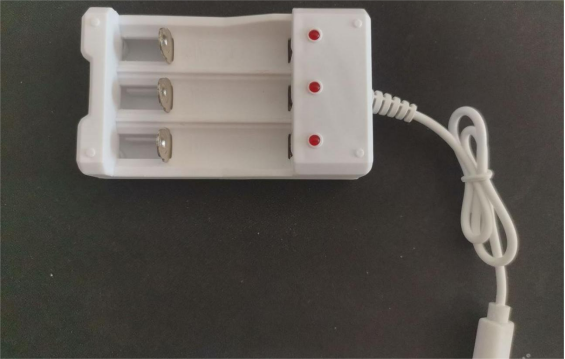
You'll need a few resistors to limit current and some all-metal hardware, but small-current charging isn't a problem.
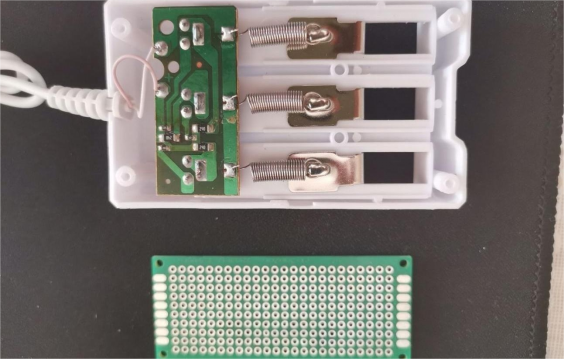
Next, what you need to do is make the flying-wire connections. Keep in mind, this type of charger isn't really suitable for series charging.
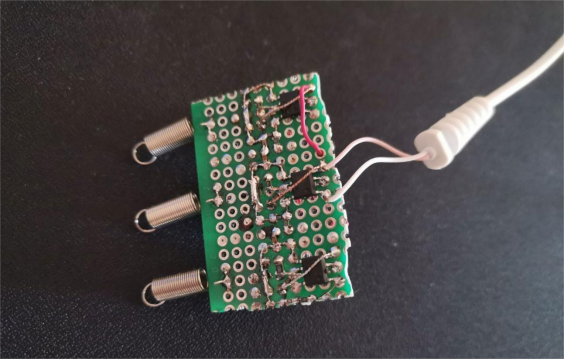
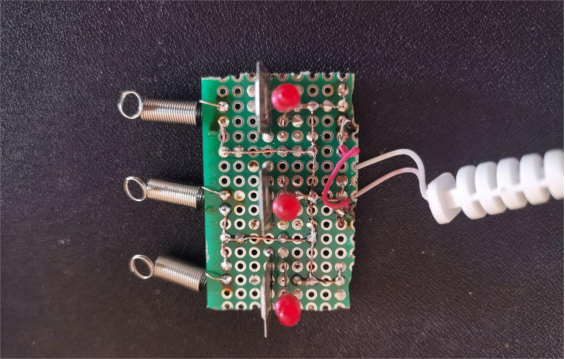
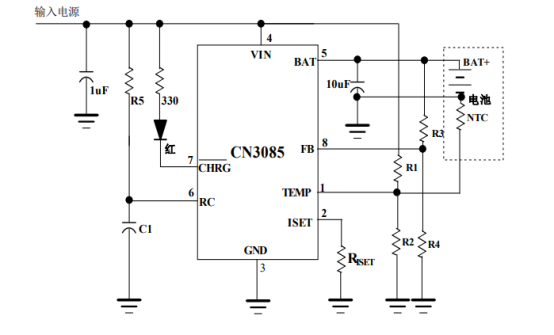
The CN3085 circuit is exactly as official, with temperature detection removed; R3 and R4 control the charging voltage, and Rset controls the charging current.
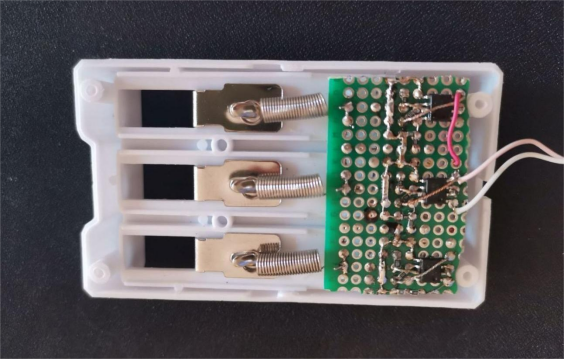
Then you can put the upgraded circuit board back into the charger.
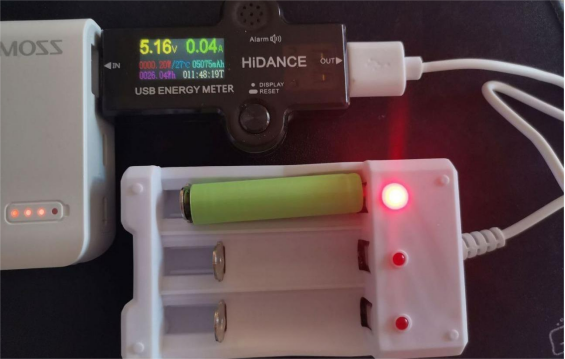
Charging current is set to 260mA, and when the battery is fully charged, you can't see any current, as shown in the figure below:
Done.


