
DIY 4.35V Battery Charger Guide


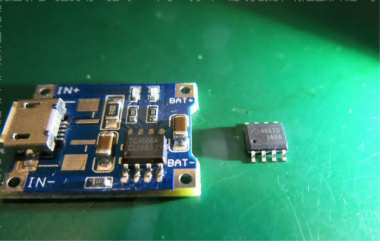
If you're interested in DIY-ing a 4.35V charging board, you might want to check out this article.
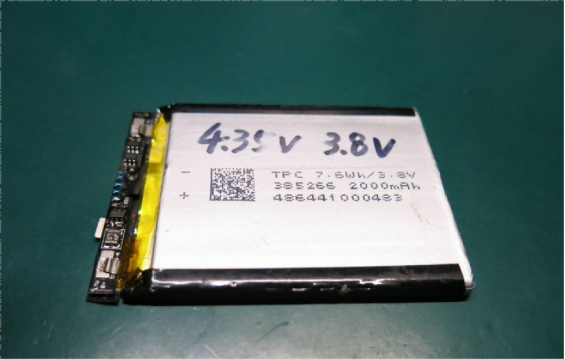
As shown in the picture below, here's a 4.35V battery. If yours has been sitting idle because you don't have a charger, you can follow this guide to DIY a 4.35V charger yourself.
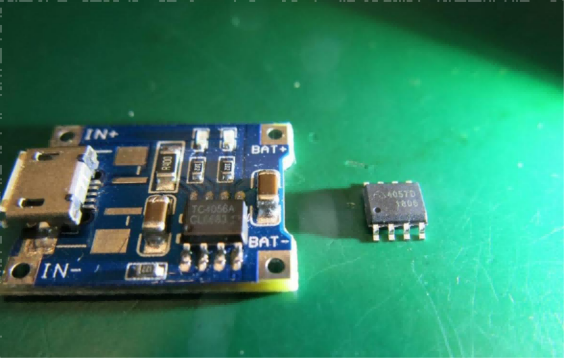
What you'll need: a standard 4056 charging board and a MicrOne ME4057D chip, as shown in the image below.
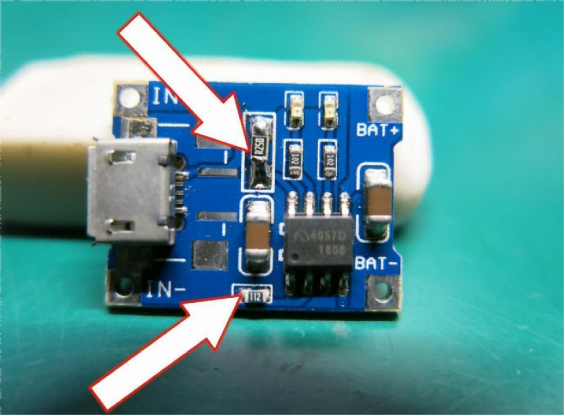
First, replace the 0.4Ω dissipation resistor on the 4056 board with a 0.25Ω one (as required by the 4057D datasheet). Then, swap the 1.2K current programming resistor with a 1.1K resistor (the 4057D needs 1.1K for a 1A output).
After measuring, the current battery voltage is 3.8V.
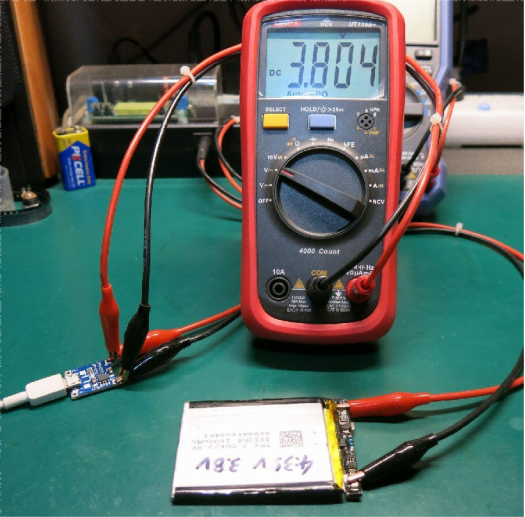
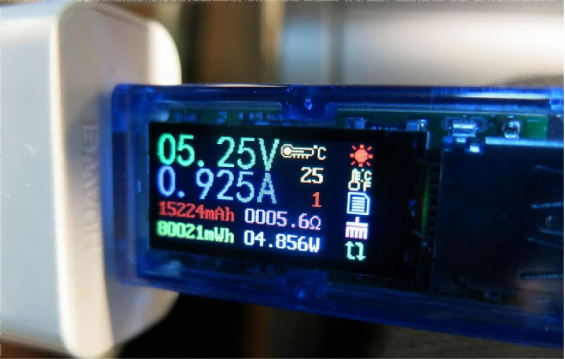
When the 4057D starts charging, the current is about 1A. After a short while, the current drops slightly, falling below 1A, as shown in the figure below.
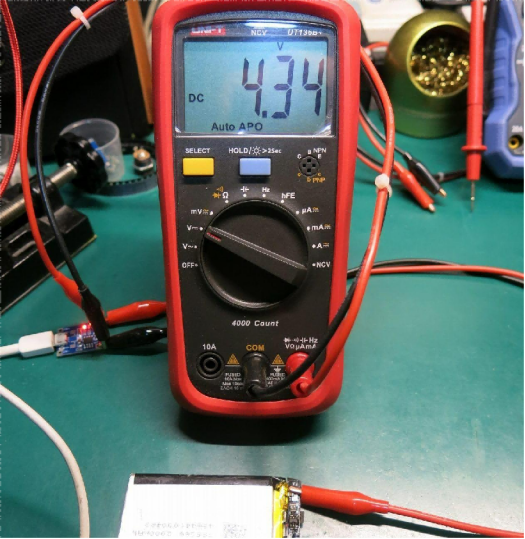
As the charging nears completion, the 4057D's output voltage looks like this:
At this point, the current has dropped to just over 100mA.
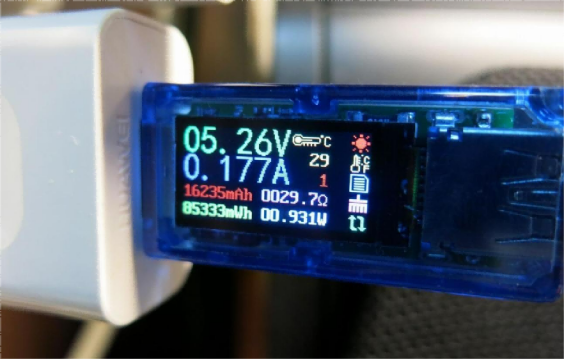
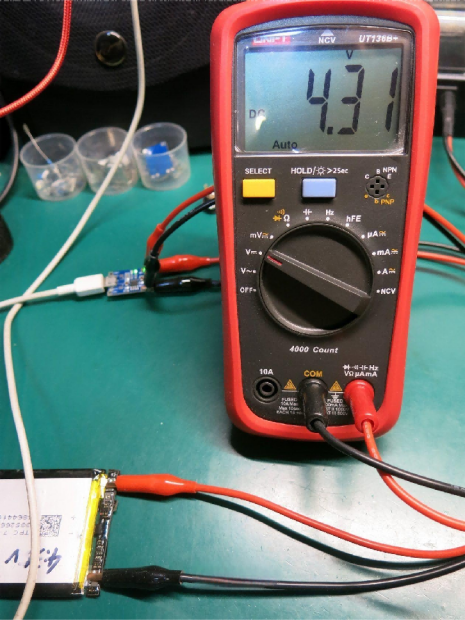
Once charging is complete, the battery voltage reads 4.31V. Because this battery is a bit old, it can no longer hold the full 4.35V.
And that's it—charging complete!


