
DIY 220V Portable Power Bank with Protection


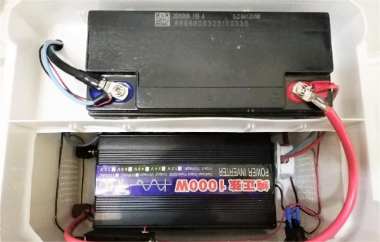
If you're interested in DIY-ing a portable 220V power bank, this article is worth a read.
You'll need an appropriate enclosure and a suitable power source. As shown in the image, this is about 80% complete. You'll need a finished sine wave inverter rated at 1000W peak (500W continuous).
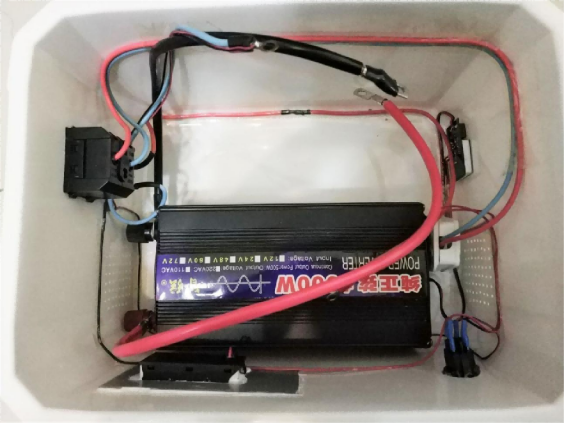
In real tests, it can handle 500–600W continuously without issues, and a standard 800W electric drill runs effortlessly. However, this inverter has an undervoltage protection problem. The nominal undervoltage is 10V ±1V, but in practice, the protection threshold is rough and actually around 9V, which is harmful to the battery. Near the undervoltage point, the inverter operates unstably. After undervoltage triggers, standby power consumption is as high as 6W. With such a low undervoltage threshold and high post-protection consumption, the battery can easily get damaged if left unattended.
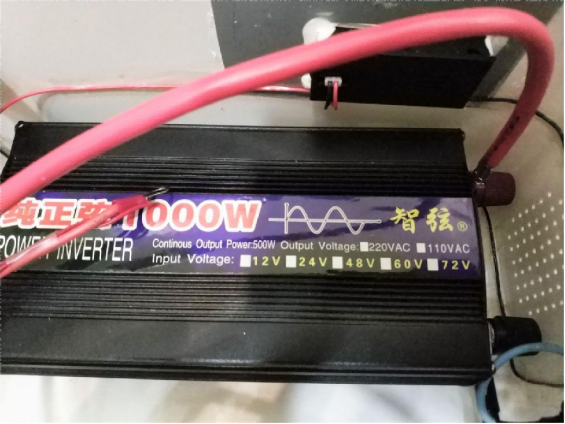
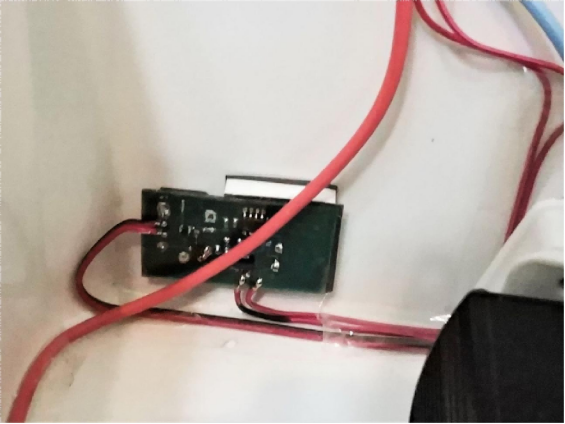
Therefore, you'll need to make a custom over/undervoltage protection board. The main power switch controls this board. Due to high current, the switch doesn't directly disconnect the battery; instead, it controls the power meter and the inverter's soft-start.
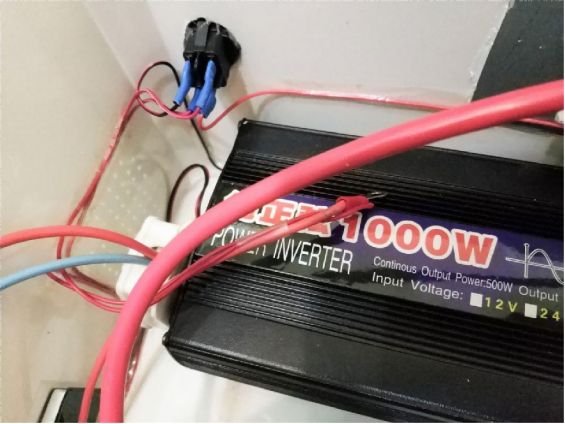
The inverter also has an internal thermal control issue. The fan runs at full speed even in standby, so you'll need to modify it so that it basically doesn't run when idle. Additionally, the fan at low speeds creates PWM pulse interference, producing very annoying noise. This was resolved by further modifying the PWM control circuit.
A red-circled interface is brought out to an external control board. The inverter's soft-start and over/undervoltage protection are now managed by this external board, and the internal protection features are disabled. There's also a voltage meter on the original case, but it's highly inaccurate and has been abandoned.
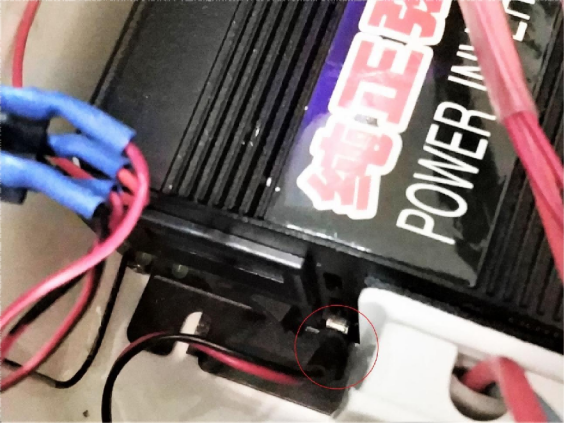
You'll need to build a small board to place here. Performance is excellent: after undervoltage protection, the battery voltage recovers without causing repeated restarts, and standby power drops from about 6W to less than 0.1W. It features over/undervoltage protection, soft-start, and ignores transient voltage drops caused by high-current loads, preventing false undervoltage triggers when starting inductive loads like drills.
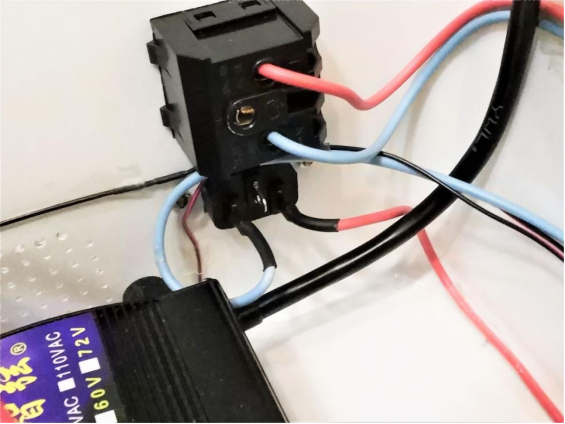
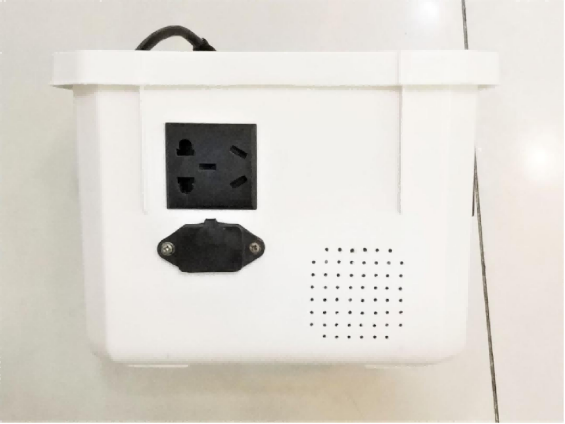
Charging input and 220V output interfaces are included.
You'll need to make ventilation holes on one side…and also on the opposite side.
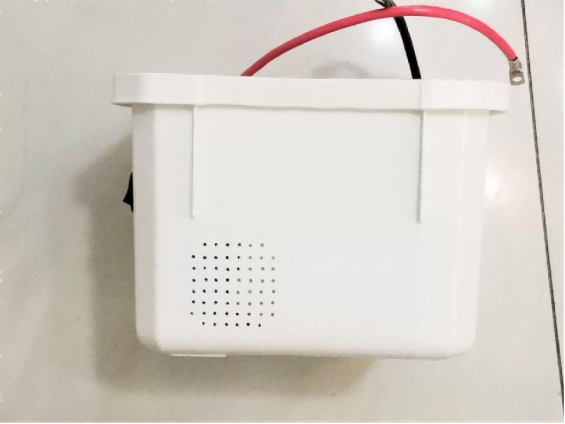
You'll also need a 20Ah “Superwei” (Chaowei) power battery.
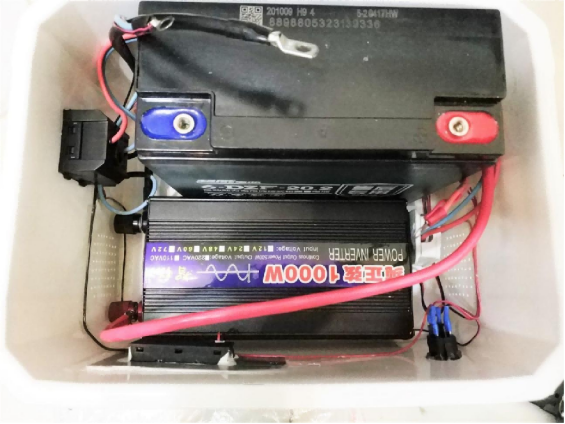
Assemble the middle-layer support structure. You can use thick 10mm² pure copper wires. The storage compartment below can hold outlets, chargers, etc. The chargers can power the unit itself or provide external charging. This setup is mainly for emergency backup power for field equipment, so high power or long runtime isn't required; average power is usually under 300W. Considering practical use and cost, lithium batteries weren't used.
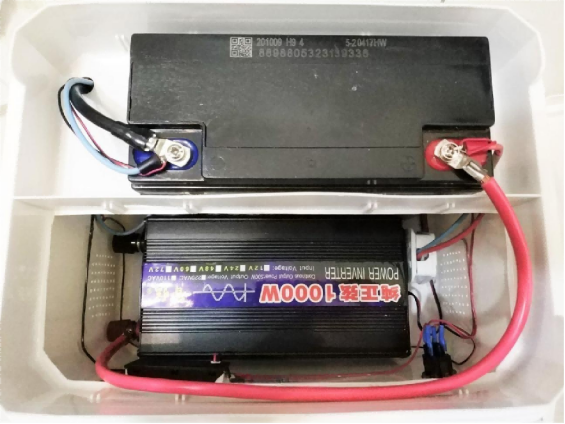
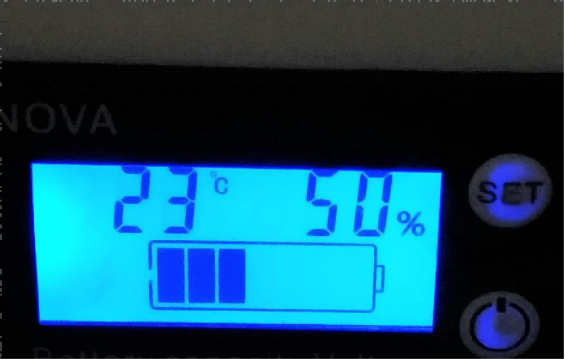
Front view: power and voltage meter.
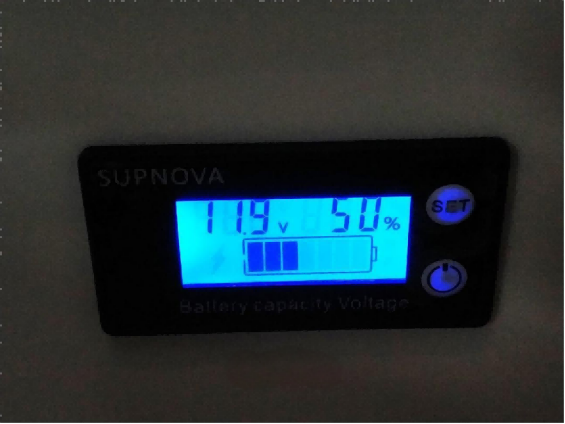
You can customize battery type, series count, high/low voltage thresholds, and over/undervoltage alarm levels. It features undervoltage/overvoltage warnings, temperature display, and supports precision calibration. Screen modes include auto-off, always-on, and manual control.
Tests show that voltage accuracy is good and temperature accuracy is within ±0.5°C, though the viewing angle is slightly limited.
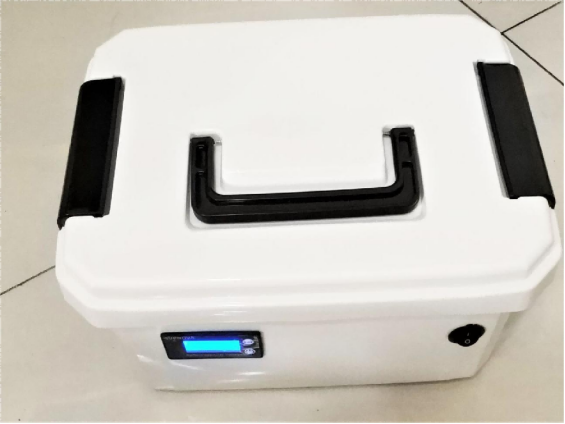
Final assembled unit. Total material cost didn't exceed 300 RMB.
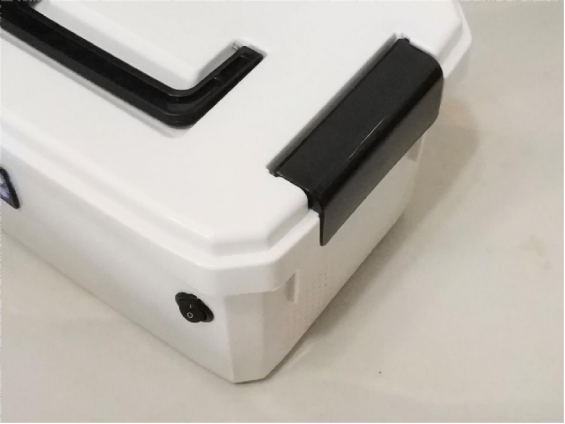
Back view: after complete discharge, if the switch isn't turned off, it enters low-power mode. Leaving it for a long time won't drain the battery further, and when switched off, power consumption is essentially zero.
Done.


