
DIY Kelvin Test Socket for Stable Capacitance Measurement


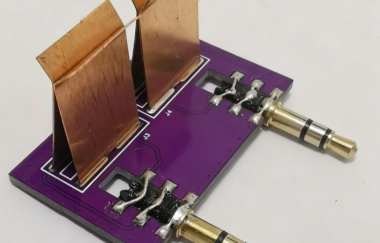
If you are interested in building a DIY Kelvin test socket, you might want to take a look at this article.
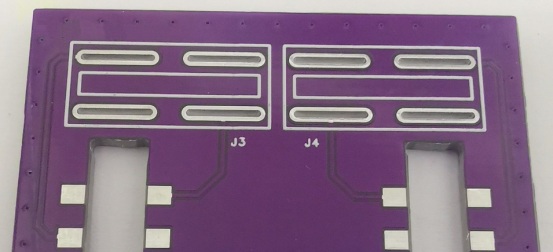
If you often feel frustrated because your LCR meter gives unstable readings when measuring small capacitors of just a few picofarads, you may later find through troubleshooting that the issue is caused by overly long test clip leads, which are easily affected by external interference. As a result, you might suddenly come up with the idea of making a Kelvin test socket. If you happen to have these three materials on hand: a PCB board, beryllium copper sheet, and a 3.5 mm audio plug, you can start making it once you have prepared them.
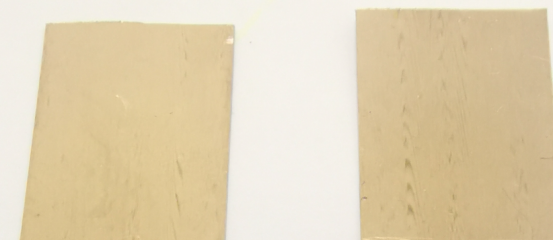
This is the beryllium copper sheet you have prepared, with a thickness of 0.3 mm and a width of 15 mm.
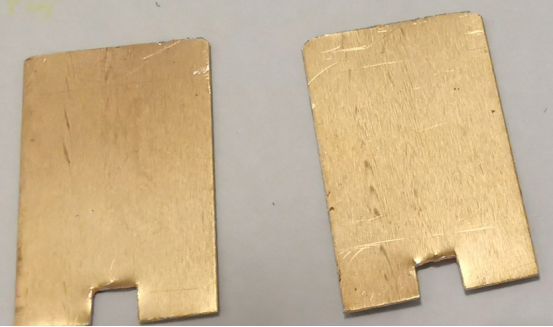
After you cut the beryllium copper sheet, you leave 6 mm for the soldering pads on both ends, and keep a 3 mm gap in the middle.
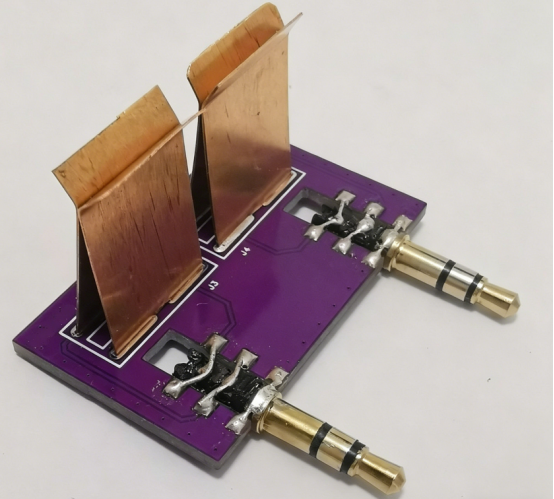
Then you proceed with soldering, and this is the front side after soldering is completed.
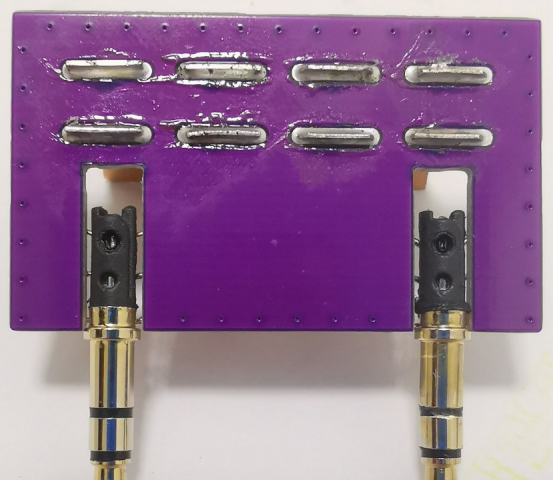
This is the back side after soldering is completed.
Now you can move on to testing on the equipment.
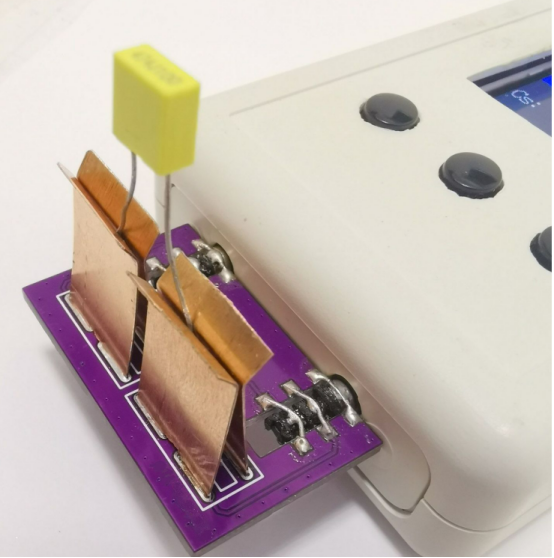
The actual test results show that the test socket has significantly better anti-interference performance than test clips connected with coaxial cables. Your DIY Kelvin test socket is now complete, and the process is relatively simple.


