
DIY Electric Fan Lithium Battery Upgrade


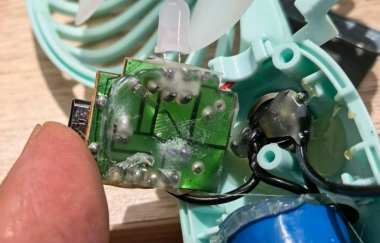
If you happen to have a small electric fan with a very limited battery capacity, you can open it up and take a look inside. You will find that the microUSB charging port is directly connected to a lead-acid battery, and driving a motor with this setup is indeed quite demanding.
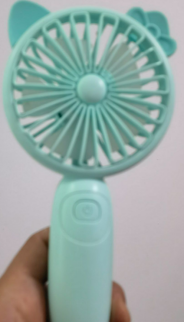
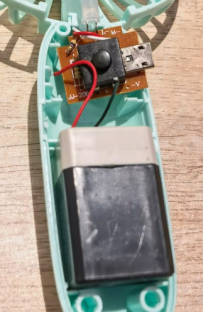
To increase the battery capacity of the fan, you suddenly come up with the idea of converting it into a lithium battery-powered fan. This modification involves three main issues:
1.Battery size;
2.Battery charging;
3.Safety.
If you happen to have an 18650 battery, you can compare the sizes and find that it barely fits. Therefore, you decide not to use a small-capacity polymer battery and choose a more direct upgrade.
The first step is to modify the charging interface.
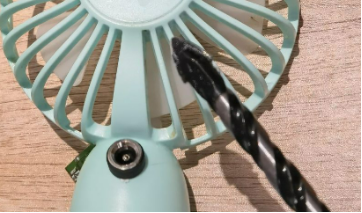
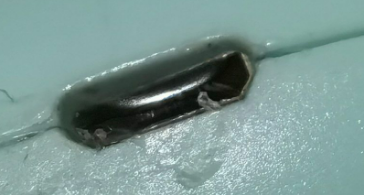
Since lithium batteries cannot be overcharged, and there is no space inside the case to install a voltage regulation circuit, you drill a hole in the outer shell and install a DC socket. At the same time, you seal the original microUSB port to prevent accidental connection.
Then you add protection and wiring for the battery.
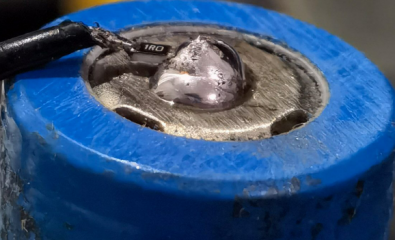
To prevent the battery from short-circuiting, you solder a 0805 package 1Ω resistor to the positive terminal of the battery. If a short circuit occurs, the resistor will burn out instantly to protect the battery.
Then you add insulation.
You use hot melt glue and plastic sheets to isolate areas that could potentially cause a short circuit.
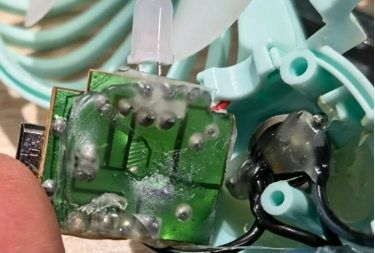
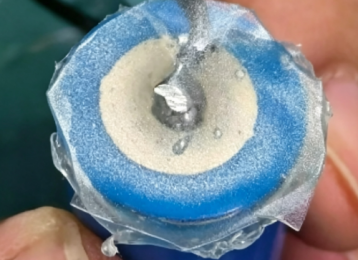
Next comes the wiring, glue fixing, and assembly process.
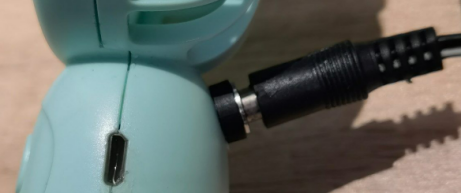
Finally, you make a dedicated charging cable.
Luckily, you have a USB charging cable. You connect a 5V, 1A step-down lithium battery charging module in series after the USB output stage and cover it with heat-shrink tubing. In this way, you can safely charge the lithium battery.
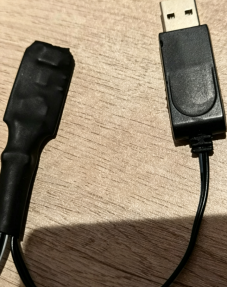
Finished.


