
Qualcomm and SpaceX Join Forces on 5G


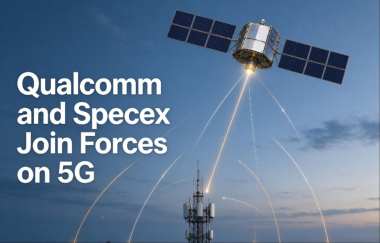
According to international media reports on Wednesday, November 4, Qualcomm and SpaceX have signed a multi-year agreement to support Starlink Mobile's planned nationwide 5G terrestrial network in the United States. Starting in 2027, the network is expected to be deployed across tens of thousands of large cell sites, marking Qualcomm's largest 5G infrastructure deal to date.
Under the agreement, SpaceX will use Qualcomm's Dragonwing mobile network infrastructure hardware and software, including radio equipment, baseband units, and network control software. The technology will provide high-capacity terrestrial wireless coverage to complement Starlink's existing satellite services.
The partnership signals SpaceX's ambition to expand beyond satellite-based mobile connectivity and compete directly with major US wireless carriers, including AT&T, Verizon, and T-Mobile. SpaceX has also been expanding its spectrum holdings and exploring further acquisitions to strengthen its mobile network business.
For Qualcomm, the deal represents a major opportunity to expand its 5G infrastructure business and reduce its reliance on the smartphone chip market. The company has been investing in 5G network infrastructure since 2020 and has supported deployments in countries including Japan and Vietnam. The partnership will also strengthen its position in the base station chip market, where it competes with companies such as Marvell, Broadcom, and Intel.
Qualcomm said its technology supports flexible multi-band network architectures and advanced beamforming capabilities, which can improve wireless coverage, increase network capacity, and enhance spectrum efficiency. The initial deployment will focus on terrestrial 5G, while leaving room for future network intelligence technologies and AI-native 6G development.
However, building a nationwide mobile network will require substantial investment, and SpaceX's ability to compete with established US telecom operators remains uncertain. Details regarding network infrastructure partnerships, tower requirements, and the overall deployment costs have not yet been disclosed.


