
iPhone to Upgrade to LTPO3 Displays for Better Performance


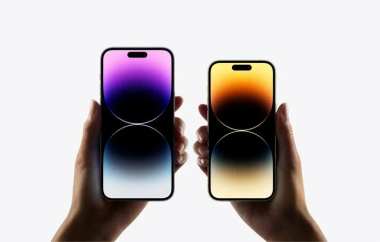
Apple aims to enhance the efficiency and performance of its upcoming iPhones by adopting the same panel technology used in the Apple Watch. This move is expected to significantly reduce power consumption compared to current panels, resulting in extended battery life for iPhones.
In September, Apple unveiled the new Apple Watch Series 10, featuring a substantial design overhaul. The latest wearable is slimmer than its predecessor, with a slightly larger display. The OLED display utilized in the Apple Watch Series 10 is branded as "LTPO3," representing an advancement over the LTPO2 display found in the previous generation. LTPO technology integrates a TFT panel with low-temperature polycrystalline silicon (LTPS) and adds oxide layers to minimize power consumption at low refresh rates.
In contrast, the current iPhone models utilize the LTPO2 display, similar to the Apple Watch Series 9, which lacks the oxide layer. The LTPO3 technology of the Apple Watch is anticipated to optimize pixel brightness in future iPhones, leading to improved energy efficiency. Notably, the Apple Watch Series 10 offers a 40% increase in brightness when viewed from an angle compared to Series 9. Furthermore, in Always-On display mode, future iPhones are expected to feature a faster refresh rate, capable of refreshing once per second instead of once per minute.
With reduced panel power consumption, improvements in battery longevity and viewing angles for iPhones are anticipated. Samsung is currently working to supply Apple with the LTPO3 panels necessary for iPhones, although this advanced display technology is not expected to debut with next year's iPhone models. However, it is likely that all iPhone 17 variants will incorporate the LTPO2 display, suggesting that even standard models will benefit from higher refresh rates and Always-On display capabilities.


