
Samsung Nears NVIDIA HBM4 Deal as Prices Jump 150%


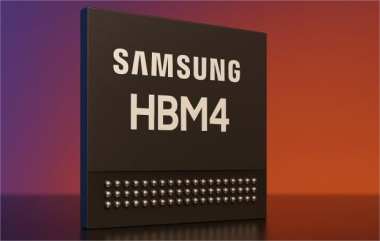
According to Korean media reports, Samsung Electronics is now in the final stage of price talks with NVIDIA over next-generation HBM4 memory, shortly after SK hynix completed its own negotiations with the AI chip giant. While Samsung previously sold its 12-layer HBM3E at a relatively lower price, the company is now aiming to match SK hynix by targeting a mid-US$500 price range for its 12-layer HBM4 — a jump of more than 150% compared with its earlier HBM3E pricing.
According to industry sources, NVIDIA invited Samsung to the negotiating table just one week after finalizing its HBM4 agreement with SK hynix. The discussions are said to be in the closing phase, with a final decision expected before the end of the year. Earlier reports indicate that SK hynix secured a mid-US$500 price for HBM4 for next year, compared with around the mid-US$300 range for its 12-layer HBM3E — reflecting a price increase of more than 50%. Although SK hynix's production costs at TSMC rose by about 30% for HBM4, the company reportedly locked in a strong premium that largely offsets the higher manufacturing expenses.
Samsung's current pricing for HBM3E remains about 30% lower than SK hynix's equivalent products. One person familiar with the situation said Samsung had previously allocated HBM3E capacity for NVIDIA, but certification delays prevented shipments on schedule. As a result, the chips were redirected to other major tech companies at lower prices, which pulled down the average selling price to around US$200.
For HBM4, however, Samsung is taking a much firmer stance. By insisting on pricing in line with SK hynix, Samsung is effectively pushing its HBM4 price above US$500 — again more than 150% higher than its earlier HBM3E deals.
Behind this confidence is Samsung's technology roadmap. The company is moving aggressively to mass-produce HBM4 using its more advanced 1c DRAM process, which it sees as a competitive advantage over SK hynix's HBM4 based on 1b DRAM. At the same time, market demand for HBM4 is already outstripping supply, with only Samsung and SK hynix currently capable of large-scale production. In such a tight market, price cuts are unlikely.
To support future demand and strengthen its position, Samsung plans to raise monthly HBM4 output using 1c DRAM from about 20,000 wafers today to 150,000 wafers by the end of next year. The company is gradually expanding its 1c DRAM capacity by adding new fab lines and converting older processes. By the end of 2026, total 1c capacity is expected to reach the 150,000-wafer mark, making it the backbone of Samsung's HBM4 production.
The market is also watching whether Samsung can complete NVIDIA's certification process by the end of this year. If successful, Samsung could begin supplying HBM4 as early as the second quarter of 2026 — potentially breaking the expected pattern where SK hynix dominates the first half and Samsung enters later. That said, Samsung's current 1c DRAM yield for HBM4 is reportedly around 50%, and how quickly this improves will be key to its actual shipping timeline.
Analysts believe Samsung's aggressive push into HBM4 is not just about one product cycle. It could reshape competition in the high-end memory market and influence pricing, supply balance, and technology leadership across the entire DRAM industry over the next few years.


