
AI Memory Demand Strains Global Supply


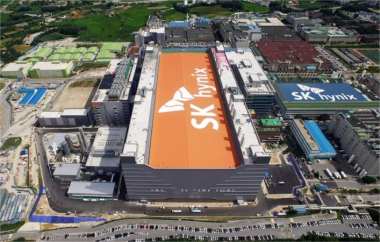
As artificial intelligence adoption accelerates, the global DRAM market is entering its most severe supply-demand imbalance in years. Memory designed for AI workloads is generating significantly higher margins, leading major chipmakers to shift production capacity toward higher-end products such as HBM, GDDR, and DDR5. As a result, standard DRAM output continues to shrink, tightening supply across the broader market.
This industry-wide shift is already pushing memory prices upward and creating ripple effects across consumer electronics. Smartphones, home appliances, and personal computers are beginning to feel the impact as manufacturers face rising component costs and increasing uncertainty around supply stability.
According to Nikkei Asia, SK Group Chairman Chey Tae-won recently acknowledged during an industry forum that the company has received a surge of requests for memory products from various companies and is currently evaluating how to respond to the growing demand.
Samsung Electronics is facing similar challenges. Kim Jae-june, Executive Vice President of Samsung's memory business, said that the industry's growing focus on AI servers is increasing the risk of supply shortages for memory used in smartphones and PCs. He noted that this imbalance is adding uncertainty to device shipments and overall market planning.
The rapid buildout of AI data centers and supporting infrastructure is driving an unprecedented surge in demand for DRAM and NAND flash. Nearly all major memory manufacturers are now operating at, or close to, full capacity. Industry analysts expect that most global production capacity will be effectively locked in through 2026, leaving little room for short-term relief.
Investment trends confirm the long-term momentum behind AI development. Morgan Stanley projects that global spending by major cloud companies on AI infrastructure will rise from $285 billion in 2024 to $468 billion in 2025, and reach approximately $621 billion after 2026, highlighting the scale and persistence of demand for computing and memory resources.
Meanwhile, Omdia analyst Claire Wen forecasts that average NAND flash prices will continue to climb due to ongoing supply constraints. Prices are expected to rise by 15% to 20% by around October 2025, followed by another 10% to 15% increase in the first half of 2026. However, she also cautions that the memory market remains highly volatile, and prices could retreat quickly if future production growth outpaces demand.


